



- Transmission issues can affect any vehicle, and catching the warning signs early can save thousands in repairs and prevent roadside breakdowns.
- Proper care includes checking fluids, tire rotations, and multi-point checkups, which Dalton Toyota National City performs quickly via the FasTrack Express Service.
- Regular maintenance at Dalton Toyota National City in San Diego CA helps prevent costly transmission problems and keeps your vehicle running smoothly.
Also Read: Why Toyota Coolant Is Essential for Your Engine
The transmission is perhaps the most complex and vital component responsible for getting power from your engine to your wheels, controlling how your car shifts gears smoothly as you drive. This crucial mechanical assembly allows your vehicle to travel at various speeds efficiently, making it essential to catch any sign of trouble early.
Ignoring minor transmission issues can quickly lead to severe problems and costly repairs down the road. This is why awareness and proactive maintenance are so important for every vehicle owner.
Learning the early signs of transmission issues can save you significant time and money, ensuring your vehicle remains dependable for many miles to come.
The Importance of Fluid Maintenance
Many auto transmission issues stem not from a faulty component, but from neglected fluid maintenance. A car’s transmission fluid performs multiple critical roles:
- Cools the inner parts
- Lubricates the moving gears, and
- Acts as a hydraulic mechanism to help gears shift
Over time, this fluid breaks down, losing its ability to lubricate and cool effectively. Dirty fluid or low fluid levels are often what causes transmission issues to begin.
Regular service fluid replacement at factory-recommended maintenance intervals keeps your Toyota running well and preserves its value. Neglecting this increases internal friction, creating excessive heat and wear that can cause serious transmission function issues.
This preventative service is readily available, and technicians recommend checking fluids and/or replacing the transmission fluid at each regular service visit. This contributes to proper vehicle performance and enhances passenger safety.
Recognizing Early Transmission Issue Symptoms
Being alert to changes in your vehicle's performance is the easiest way to detect potential transmission issue symptoms before they escalate into major failures. Recognizing unusual behavior is critical to keeping your Toyota dependable.
Here are common signals that there might be Toyota transmission issues in your vehicle:
Delay or Resistance When Shifting Gears (Rough Shifting)
When you put your car in drive or reverse, it should shift smoothly within a second or two. If your car hesitates to move when you put it into drive or reverse, or if the gears feel like they are slipping out of place while driving, these indicate that something inside the transmission needs expert attention.
Rough shifting can feel like your car is bumping or lurching when it changes gears. This happens in both automatic and manual transmissions, though the causes might differ. In automatic transmissions, rough shifts often come from:
- Low fluid
- Worn clutch plates, or
- Computer problems
Manual transmissions might shift roughly because of clutch wear or synchronizer damage.
Strange Sounds From Under Your Car
Strange noises are another set of signs of transmission issues that should not be overlooked. Sounds like grinding, whining, or clunking when shifting can mean parts rubbing together improperly because of a lack of lubrication or worn components.
- Grinding noises mean worn gears or incorrect rubbing of other internal parts
- Whining sounds point to low fluid levels or pump problems
- Banging or clunking noises when shifting gears mean mounting issues or worn components
If you notice any of these alarming sounds, prompt attention is advised. These sounds won’t go away on their own and typically get worse over time.
Slipping Gears and Power Loss
One of the most noticeable signs of transmission issues happens when your car slips out of gear. You might be driving along when suddenly your engine revs up, but your car doesn't speed up the way it should. This happens when the transmission can't hold a gear properly. Some drivers describe it as feeling like the car has lost power temporarily.
This problem can affect any vehicle. Toyota Tacoma transmission issues sometimes include gear slipping, especially in older models with higher mileage. The same goes for Toyota Tundra transmission issues, where drivers report the vehicle momentarily losing power during acceleration.
When you experience this, your transmission needs professional attention right away.
Transmission Fluid Leaks
Finding puddles under your car is never a good sign. Transmission fluid is usually red or brown and has a slightly sweet smell. It's different from engine oil, which tends to be darker and thicker.
Leaks happen when seals wear out, gaskets fail, or transmission pans get damaged. Even small leaks matter because your transmission needs adequate fluid to work correctly. Running low on fluid causes friction and heat, which damage internal parts quickly.
If you spot red or brown fluid on your driveway or parking spot, check your transmission fluid level as soon as possible.
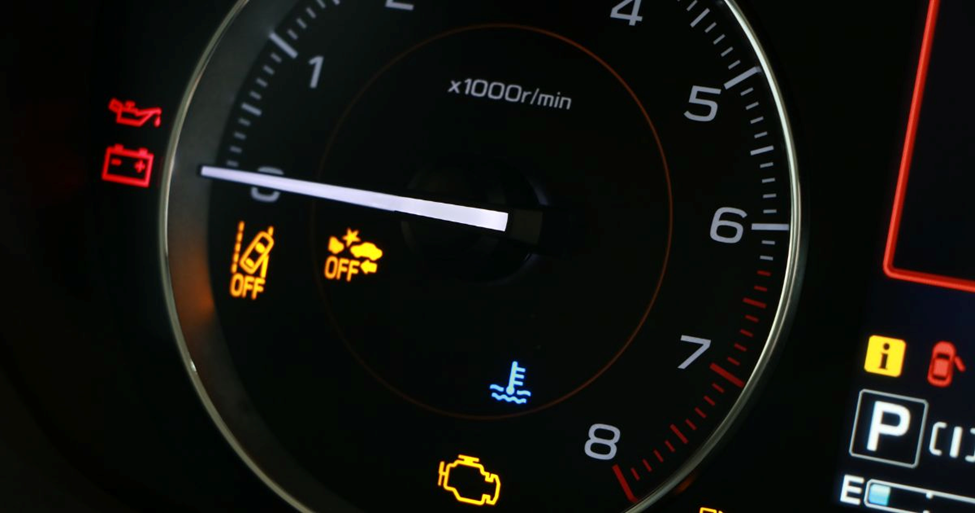
Dashboard Warning Lights
Modern cars have sensors that monitor how your transmission performs. When something goes wrong, your check engine light or transmission warning light turns on. Don't ignore these lights. They tell you the car's computer detected a problem that needs attention.
Sometimes the light comes on due to minor issues like a bad sensor. Other times, it signals serious problems developing inside your transmission. The only way to know for sure is to have the car scanned and diagnosed at a professional service center.
Burning Smell While Driving
A burning smell coming from your car often means transmission fluid is overheating. This happens when fluid levels get too low or when the transmission works harder than it should. Overheated transmission fluid breaks down and stops protecting the moving parts inside your transmission properly.
If you smell something burning while driving, pull over safely and turn off your car. Let it cool down before checking the fluid level. Continuing to drive with an overheating transmission can cause complete failure, turning a fixable problem into a total replacement.
Unresponsive Transmission
Sometimes a transmission stops responding altogether. You shift into drive or reverse, and nothing happens. The car might stay in neutral or refuse to move forward. This complete lack of response usually means something major has failed inside the transmission.
Transmission issues can also show up as the car getting stuck in one gear. You might find yourself unable to shift out of park or stuck in a low gear while driving on the highway. These situations are dangerous and need immediate professional help.
What Causes Transmission Issues
Understanding what causes transmission issues helps you prevent them.
Failure to Undergo Regular Maintenance
The biggest cause of Toyota transmission issues is neglecting regular maintenance. You need to change the transmission fluid according to your car's service schedule. Old fluid loses its protective properties and allows parts to wear faster.

Overheating
Overheating is another major cause. Heat damages seals, warps metal parts, and breaks down fluid quickly.
Towing heavy loads, driving in extreme conditions, or having cooling system problems can make your transmission run too hot.
Driving Habits
Driving habits matter too. Shifting from reverse to drive without stopping completely, riding the brake, or revving the engine in neutral puts extra stress on transmission components. These habits might seem harmless, but they add up over time.
Addressing What Causes Transmission Issues
The most common reasons that cause transmission issues involve temperature and contamination. When the transmission fluid overheats or is contaminated with debris from worn components, it loses its ability to protect the moving parts.
Routine maintenance, which includes multi-point checkups and fluid level checks, is explicitly designed to catch these underlying problems early.
A multi-point inspection, a key part of services like the Toyota FasTrack Express Service, includes checking all major systems and fluids. This comprehensive visual check spots related auto transmission issues early on, perhaps even before noticeable transmission issue symptoms appear.
Moreover, the use of Genuine Toyota parts and fluids is important. These products are made specifically to Toyota specifications to safeguard vehicle appearance and provide proper maintenance.
Insisting on Genuine Toyota parts and accessories, available at the parts center, ensures the longevity and performance of your vehicle and minimizes unnecessary car transmission issues.
Final Thoughts
Understanding the function of your vehicle's transmission and recognizing the early signs of transmission issues is critical for responsible car ownership. While modern Toyota vehicles like the Tacoma, Highlander, and Tundra are designed for durability, routine fluid checks, oil changes, and multi-point inspections are the best way to safeguard against major mechanical failures.
Do not wait until you experience noticeable transmission issue symptoms to act. Maintain your vehicle properly with genuine parts and expert service from a reliable dealer like Dalton Toyota National City.
Catching minor car transmission issues early ensures that your vehicle continues to provide the dependable, economical performance you expect.


