

Dalton Toyota National City

Toyota Corolla
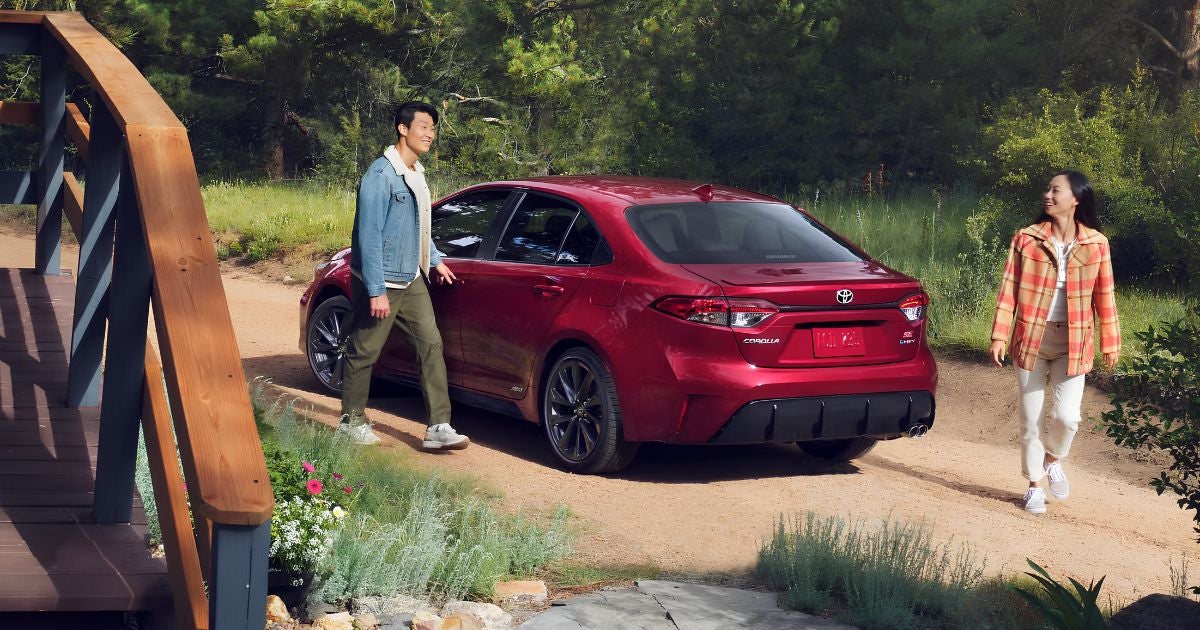
  • The 2026 Toyota Corolla delivers excellent Toyota Corolla gas mileage, with standard models achieving 32 city and 41 highway MPG, while hybrid versions reach up to 53 city and 46 highway MPG.
  • This vehicle comes with a huge touchscreen, wireless phone connections, and safety features that protect every passenger during a trip.
  • For drivers in San Diego CA, looking to explore these fuel-efficient vehicles, Dalton Toyota National City cars provides comprehensive information on both gas-powered and hybrid options, new or certified used vehicles.

Also Read: Toyota Corolla Gas Mileage: Efficiency Breakdown

The Toyota Corolla is a car that many people know and trust around the globe. It has been around since the middle of the 1960s and has grown to be one of the most popular sedans on the planet. When you buy a car, you want to know how long it will stay in your driveway and how much money it will cost to drive every day.

This is why looking at the Toyota Corolla gas mileage is such an important step. Let’s discover what the real-life stats are and how Dalton Toyota National City can help you drive one home today.

Understanding Toyota Corolla Gas Mileage

The 2026 Toyota Corolla proves that you can have style, performance, and outstanding fuel efficiency all in one package. This makes the Corolla one of the cars with best gas mileage available today.

But the Corolla’s gas mileage varies depending on which version you choose. Standard gas-powered models deliver impressive numbers, while hybrid versions take efficiency to another level. Understanding these differences helps you pick the right model for your daily commute and driving habits.

How Many Miles Can You Expect From a Corolla

When you think about the general lifespan of this car, it is helpful to look at the history of the brand. Toyota is known for making vehicles that last, and the Corolla is no different.

If you take good care of it, a Corolla can last around 10 years or 300,000 miles. Some owners even reach 300,000 miles without seeing any major issues. As technology and the materials used to build cars have improved, newer models from the 2020s might even reach closer to 500,000 miles.

The Toyota Corolla mileage you get will depend on how you treat the car. If you follow all the routine service steps, the car can easily last over two decades with its efficient engine and use of high-quality materials. This makes the Corolla better than the average for the company, as most other models from the same brand last between 200,000 and 250,000 miles. If you are looking for high gas mileage sedans that also last a long time, this is one of the top choices on the market

Gas-Powered Toyota Corolla Mileage

The standard Toyota Corolla runs on a 2.0-liter 4-cylinder engine that balances power and efficiency. This powertrain produces 169 horsepower and works through a Continuously Variable Transmission (CVT). The result is smooth acceleration and strong Toyota Corolla mileage numbers.

Looking at specific models, the Corolla LE achieves 32 MPG (miles per gallon) in the city and 41 MPG on the highway. This gives you a combined rating of around 35 MPG, putting it among the high gas mileage sedans in today’s market.

The sporty SE model gets slightly lower numbers at 31 MPG city and 40 MPG on the highway. The XSE variant offers similar performance with 31 city and 38 highway MPG.

These numbers mean real savings over time. Using a gas mileage calculator, drivers can see how much less they spend compared to less efficient vehicles. The Corolla’s fuel tank holds enough to give you excellent range between fill-ups, making it perfect for both city driving and highway trips.

Toyota Corolla Hybrid Gas Mileage

The Toyota Corolla Hybrid gas mileage numbers are also truly impressive. The hybrid system combines a 1.8-liter 4-cylinder engine with electric motors to produce 138 horsepower total. This setup delivers remarkable fuel efficiency without sacrificing everyday usability.

The Corolla Hybrid LE and Hybrid XLE models lead the pack with 53 MPG in the city and 46 MPG on the highway. This gives you a 50 MPG combined rating, placing these models among the best gas mileage cars available. The Hybrid SE version achieves 47 city and 43 highway MPG, still excellent numbers for daily drivers.

Models with available Electronic On-Demand All-Wheel Drive see slightly different ratings. The Hybrid LE AWD gets 51 city and 44 highway MPG. The Hybrid SE AWD achieves 47 city and 41 highway MPG. Even with added traction, these remain good gas mileage cars competitors.

With these numbers, it’s easy to say that the hybrid system works seamlessly. At low speeds and during gentle acceleration, the electric motor handles most of the work. The gas engine then kicks in when you need more power or at higher speeds.

This intelligent switching between power sources maximizes efficiency throughout your drive.

Toyota Corolla 2026 Sedan Features Mileage Technology

Several smart features help the 2026 Toyota Corolla achieve such strong numbers.

Variable Valve Timing

Variable Valve Timing adjusts how the engine breathes, balancing power output and fuel consumption based on driving conditions. This means you get efficiency when cruising and performance when accelerating.

Sleek Aerodynamic Design

The 2026 Corolla’s sleek, aerodynamic design reduces drag as you drive. Less air resistance means the engine works less hard to maintain speed, improving fuel economy. Every curve and angle on the Corolla serves a purpose beyond just looking good.

Continuously Variable Transmission (CVT)

The Continuously Variable Transmission plays a huge role in efficiency. Unlike traditional automatics with fixed gears, the CVT adjusts continuously to find the most efficient ratio for current conditions.

This smooth operation helps maximize every drop of fuel.

Dynamic Radar Cruise Control

Available Dynamic Radar Cruise Control maintains steady speeds and adjusts your following distance automatically. Consistent speeds mean better efficiency compared to constantly speeding up and slowing down in traffic.

Drive Modes

Drive Modes let you customize performance based on your priorities.

  • Eco Mode adjusts throttle response and other systems to prioritize fuel economy
  • Normal Mode balances performance and efficiency
  • Sport Mode sharpens responses for more engaging driving when you want extra pep

How to Make Your Corolla Last Longer

To reach that 300,000-mile goal, you must take care of the car:

  • Regular oil changes are the most important step. You should change the oil every 5,000 to 7,500 miles to keep the engine parts moving smoothly.
  • Rotate your tires at the same time to make sure they wear down evenly.
  • Check the tire air pressure regularly to save fuel and protect your suspension.
  • Watch your driving habits. If you drive aggressively with fast starts and hard stops, you will put extra wear on the car, shortening the life of the vehicle.
  • Heed warning lights on the dashboard. Addressing small problems early prevents any issues from becoming big, expensive ones.
  • Use high-quality parts and fluids to keep everything running right.
  • Reduce unnecessary weight on the Corolla. Extra cargo means extra fuel consumed. Keep only essential items in your trunk.
  • Remove roof racks if not in use. These create aerodynamic drag even when they’re empty.
  • Plan efficient routes. Combining multiple errands into a single trip produces better MPG than city miles. This also avoids excessive idling in traffic.
  • Monitor your fuel economy. With the available 12.3-inch digital gauge cluster on the 2026 Toyota Corolla, you can easily track your numbers and identify patterns. This helps you adjust your habits to further improve efficiency.

If you follow these tips, you will have one of the good gas mileage cars on the road for a very long time.

Buying a Used Corolla

Because Toyota Corollas last so long, buying a used one is often a very safe bet. You do not have to be afraid of a Corolla with over 100,000 miles on it. Since they can reach 300,000 miles, a car with 100,000 miles still has a lot of life left.

If you are considering used options, opt for a newer model with high mileage rather than a very old model with low mileage. Newer models have better safety tech and more modern systems.

You can find many great used options at Dalton Toyota National City in San Diego CA. They offer thoroughly inspected, certified used vehicles to ensure they are in good condition. This is a great way to get cars with good gas mileage without paying the full price of a new one.

Make the Smart Choice: Buying the 2026 Toyota Corolla Today

Finding a car that is both fun to drive and cheap to own is not always easy. However, the Corolla makes it look simple. Its small size makes it easy to park in San Diego CA, while its efficient engine keeps you away from the gas pump. One of the best gas mileage cars for anyone who wants to save money and stay safe on the road.

Choosing a Corolla is like choosing a pair of shoes that never wear out. No matter how far you go, it stays comfortable and keeps working just as hard as it did on the first day. Visit Dalton Toyota today and experience exceptional customer service from our expert team.

Read Next: Toyota Corolla Service Schedule Made Easy in San Diego CA

Common Transmission Issues Drivers Should Watch For
  • Transmission issues can affect any vehicle, and catching the warning signs early can save thousands in repairs and prevent roadside breakdowns.
  • Proper care includes checking fluids, tire rotations, and multi-point checkups, which Dalton Toyota National City performs quickly via the FasTrack Express Service.
  • Regular maintenance at Dalton Toyota National City in San Diego CA helps prevent costly transmission problems and keeps your vehicle running smoothly.

Also Read: Why Toyota Coolant Is Essential for Your Engine

The transmission is perhaps the most complex and vital component responsible for getting power from your engine to your wheels, controlling how your car shifts gears smoothly as you drive. This crucial mechanical assembly allows your vehicle to travel at various speeds efficiently, making it essential to catch any sign of trouble early.

Ignoring minor transmission issues can quickly lead to severe problems and costly repairs down the road. This is why awareness and proactive maintenance are so important for every vehicle owner.

Learning the early signs of transmission issues can save you significant time and money, ensuring your vehicle remains dependable for many miles to come.

The Importance of Fluid Maintenance

Many auto transmission issues stem not from a faulty component, but from neglected fluid maintenance. A car’s transmission fluid performs multiple critical roles:

  • Cools the inner parts
  • Lubricates the moving gears, and
  • Acts as a hydraulic mechanism to help gears shift

Over time, this fluid breaks down, losing its ability to lubricate and cool effectively. Dirty fluid or low fluid levels are often what causes transmission issues to begin.

Regular service fluid replacement at factory-recommended maintenance intervals keeps your Toyota running well and preserves its value. Neglecting this increases internal friction, creating excessive heat and wear that can cause serious transmission function issues.

This preventative service is readily available, and technicians recommend checking fluids and/or replacing the transmission fluid at each regular service visit. This contributes to proper vehicle performance and enhances passenger safety.

Recognizing Early Transmission Issue Symptoms

Being alert to changes in your vehicle’s performance is the easiest way to detect potential transmission issue symptoms before they escalate into major failures. Recognizing unusual behavior is critical to keeping your Toyota dependable.

Here are common signals that there might be Toyota transmission issues in your vehicle:

Delay or Resistance When Shifting Gears (Rough Shifting)

When you put your car in drive or reverse, it should shift smoothly within a second or two. If your car hesitates to move when you put it into drive or reverse, or if the gears feel like they are slipping out of place while driving, these indicate that something inside the transmission needs expert attention.

Rough shifting can feel like your car is bumping or lurching when it changes gears. This happens in both automatic and manual transmissions, though the causes might differ. In automatic transmissions, rough shifts often come from:

  • Low fluid
  • Worn clutch plates, or
  • Computer problems

Manual transmissions might shift roughly because of clutch wear or synchronizer damage.

Strange Sounds From Under Your Car

Strange noises are another set of signs of transmission issues that should not be overlooked. Sounds like grinding, whining, or clunking when shifting can mean parts rubbing together improperly because of a lack of lubrication or worn components.

  • Grinding noises mean worn gears or incorrect rubbing of other internal parts
  • Whining sounds point to low fluid levels or pump problems
  • Banging or clunking noises when shifting gears mean mounting issues or worn components

If you notice any of these alarming sounds, prompt attention is advised. These sounds won’t go away on their own and typically get worse over time.

Slipping Gears and Power Loss

One of the most noticeable signs of transmission issues happens when your car slips out of gear. You might be driving along when suddenly your engine revs up, but your car doesn’t speed up the way it should. This happens when the transmission can’t hold a gear properly. Some drivers describe it as feeling like the car has lost power temporarily.

This problem can affect any vehicle. Toyota Tacoma transmission issues sometimes include gear slipping, especially in older models with higher mileage. The same goes for Toyota Tundra transmission issues, where drivers report the vehicle momentarily losing power during acceleration.

When you experience this, your transmission needs professional attention right away.

Transmission Fluid Leaks

Finding puddles under your car is never a good sign. Transmission fluid is usually red or brown and has a slightly sweet smell. It’s different from engine oil, which tends to be darker and thicker.

Leaks happen when seals wear out, gaskets fail, or transmission pans get damaged. Even small leaks matter because your transmission needs adequate fluid to work correctly. Running low on fluid causes friction and heat, which damage internal parts quickly.

If you spot red or brown fluid on your driveway or parking spot, check your transmission fluid level as soon as possible.

Dashboard Warning Lights

Modern cars have sensors that monitor how your transmission performs. When something goes wrong, your check engine light or transmission warning light turns on. Don’t ignore these lights. They tell you the car’s computer detected a problem that needs attention.

Sometimes the light comes on due to minor issues like a bad sensor. Other times, it signals serious problems developing inside your transmission. The only way to know for sure is to have the car scanned and diagnosed at a professional service center.

Burning Smell While Driving

A burning smell coming from your car often means transmission fluid is overheating. This happens when fluid levels get too low or when the transmission works harder than it should. Overheated transmission fluid breaks down and stops protecting the moving parts inside your transmission properly.

If you smell something burning while driving, pull over safely and turn off your car. Let it cool down before checking the fluid level. Continuing to drive with an overheating transmission can cause complete failure, turning a fixable problem into a total replacement.

Unresponsive Transmission

Sometimes a transmission stops responding altogether. You shift into drive or reverse, and nothing happens. The car might stay in neutral or refuse to move forward. This complete lack of response usually means something major has failed inside the transmission.

Transmission issues can also show up as the car getting stuck in one gear. You might find yourself unable to shift out of park or stuck in a low gear while driving on the highway. These situations are dangerous and need immediate professional help.

What Causes Transmission Issues

Understanding what causes transmission issues helps you prevent them.

Failure to Undergo Regular Maintenance

The biggest cause of Toyota transmission issues is neglecting regular maintenance. You need to change the transmission fluid according to your car’s service schedule. Old fluid loses its protective properties and allows parts to wear faster.

Overheating

Overheating is another major cause. Heat damages seals, warps metal parts, and breaks down fluid quickly.

Towing heavy loads, driving in extreme conditions, or having cooling system problems can make your transmission run too hot.

Driving Habits

Driving habits matter too. Shifting from reverse to drive without stopping completely, riding the brake, or revving the engine in neutral puts extra stress on transmission components. These habits might seem harmless, but they add up over time.

Addressing What Causes Transmission Issues

The most common reasons that cause transmission issues involve temperature and contamination. When the transmission fluid overheats or is contaminated with debris from worn components, it loses its ability to protect the moving parts.

Routine maintenance, which includes multi-point checkups and fluid level checks, is explicitly designed to catch these underlying problems early.

A multi-point inspection, a key part of services like the Toyota FasTrack Express Service, includes checking all major systems and fluids. This comprehensive visual check spots related auto transmission issues early on, perhaps even before noticeable transmission issue symptoms appear.

Moreover, the use of Genuine Toyota parts and fluids is important. These products are made specifically to Toyota specifications to safeguard vehicle appearance and provide proper maintenance.

Insisting on Genuine Toyota parts and accessories, available at the parts center, ensures the longevity and performance of your vehicle and minimizes unnecessary car transmission issues.

Final Thoughts

Understanding the function of your vehicle’s transmission and recognizing the early signs of transmission issues is critical for responsible car ownership. While modern Toyota vehicles like the Tacoma, Highlander, and Tundra are designed for durability, routine fluid checks, oil changes, and multi-point inspections are the best way to safeguard against major mechanical failures.

Do not wait until you experience noticeable transmission issue symptoms to act. Maintain your vehicle properly with genuine parts and expert service from a reliable dealer like Dalton Toyota National City.

Catching minor car transmission issues early ensures that your vehicle continues to provide the dependable, economical performance you expect.

Read Next: Why Toyota Coolant Is Essential for Your Engine

Toyota RAV4 Oil

TL;DR

  • Toyota RAV4 oil change is a simple task that keeps your engine running smoothly and extends its life. Regular oil changes are needed every 5,000 to 10,000 miles, depending on your model.
  • The 2025 Toyota RAV4 hybrid and gas models have different oil change intervals. Most newer models use synthetic oil that lasts longer than older conventional oils.
  • If you are looking for a 2025 Toyota RAV4 for sale in San Diego CA, visit Dalton Toyota National City. They provide expert oil change services and can help you find the perfect RAV4.

Also Read: Quick Toyota Oil Change in National City, CA

Owning a vehicle like the 2025 Toyota RAV4 requires regular care to maintain its performance and value. A critical part of this maintenance is the Toyota Rav4 oil change. This process involves replacing the old engine lubricant with fresh oil and installing a new filter.

This guide explains the importance of this service and how to manage it for your SUV. We will look at:

  • Toyota RAV4 oil change interval,
  • Specific needs of models like the 2025 Toyota RAV4 hybrid, and
  • Benefits of visiting Dalton Toyota National City in San Diego CA for Toyota RAV4 oil change

Why Toyota Engine Oil Is Important

Engine oil serves as the lifeblood of your vehicle. It lubricates the moving parts inside the engine, reducing friction and heat. Over time, the oil breaks down and loses its effectiveness, leading to engine wear or even failure.

With regular oil changes, you can protect the engine against corrosion and prevent foaming. This same service also maintains the proper application of oil on cylinder walls and oil filter maintenance to remove impurities and reduce wear on critical components.

With this, you also need genuine Toyota oil filters designed with exact specifications for flow rate and quality. Using the correct filter helps maintain proper oil viscosity, thus extending the life of your Toyota.

Using the Right Oil

Different engines require different types of oil. The service center at Dalton Toyota National City uses Genuine Toyota Motor Oil, which meets the vehicle’s specifications to optimize performance.

For many modern Toyota models, the technicians use 0W20 or 0W16 synthetic oil. Some newer engines might even use 0W8 oil. These low viscosity oils flow more easily in cold temperatures. They also help the engine run smoothly.

The service specials at Dalton Toyota list these specific oil weights. Using the correct grade ensures your 2025 Toyota RAV4 Hybrid or gas model runs as intended.

Toyota RAV4 Oil Change Interval

Knowing when to change your oil is crucial. You should check the Toyota RAV4 oil change interval in your owner’s manual.

Generally, manufacturers suggest specific mileage or time milestones. ToyotaCare covers normal factory-scheduled maintenance for 2 years or 25,000 miles. This plan includes engine oil and filter changes when required. Dalton Toyota allows you to schedule services based on these intervals. They offer specific coupons for synthetic oil changes that expire at the end of 2025. Keeping up with the Toyota RAV4 oil change interval enhances fuel efficiency, thereby extending the life of your engine.

The 2025 Toyota RAV4 Oil Change Interval By Trim Level

The 2025 Toyota RAV4 lineup includes various trims with different needs. You might own the standard gas model or a hybrid version.

The Toyota RAV4 oil change interval depends on which trim you drive and what kind of oil you use. Most 2025 Toyota RAV4 trims come with synthetic oil from the factory, a high-quality oil that lasts longer than regular oil.

The 2025 Toyota Rav4 Hybrid combines a 2.5L 4-cylinder engine with front/rear electric motors. This system produces 219 net combined horsepower. With this horsepower, the 2025 Toyota RAV4 Hybrid MPG is impressive, with up to 41 MPG in the city. Hence, the Toyota RAV4 hybrid oil change interval is usually 10,000 miles or 12 months, whichever comes first.

The same goes for the 2025 Toyota RAV4 Hybrid LE, 2025 Toyota RAV4 Hybrid SE, 2025 Toyota RAV4 Hybrid XSE, 2025 Toyota RAV4 Hybrid Limited, and 2025 Toyota RAV4 Hybrid XLE premium models. These hybrid models come with ToyotaCare, which includes free oil changes and tire rotations for the first two years or 25,000 miles.

If you have a gas-powered RAV4 like the 2025 Toyota RAV4 LE, 2025 Toyota RAV4 Limited, 2025 Toyota RAV4 XSE, or Toyota RAV4 XLE 2025, you can expect similar intervals. The Toyota Rav4 synthetic oil change interval is also around 10,000 miles when using full synthetic oil. The 2025 Toyota RAV4 LE FWD and other gas models perform well with this schedule.

Warning Signs Your RAV4 Needs Oil

Your vehicle often tells you when it is time for service before you even check the calendar. The 2025 Toyota RAV4 features a 12.3-inch digital gauge cluster on some trims that gives you all the info you need.

One of the most obvious signs is the maintenance required light or warning lights on this display. This light tracks your driving and alerts you when you reach the Toyota RAV4 oil change interval.

You should also watch your fuel economy. The 2025 Toyota RAV4 Hybrid is rated for high efficiency, with fresh oil enhancing its fuel efficiency. If you notice you are visiting the gas station more often, it could be a sign that your oil is old.

Old oil becomes thick, creating resistance inside the engine. This makes the engine work harder and use more gas than usual.

Also, listen to your engine for changes in sound. Genuine Toyota Motor Oil is formulated to prevent foaming and maintain proper application on cylinder walls.

When oil breaks down, it loses its ability to cushion moving parts. You might hear louder engine noise or ticking sounds. This means the metal parts are not protected enough.

Performance issues can also be a warning. The 2025 Toyota Rav4 Hybrid uses a complex system where the gas engine and electric motors work together. If the oil is dirty, the gas engine may feel sluggish. A fresh Toyota Rav4 oil change restores the proper performance and helps extend engine life.

Why Choose Professional Oil Change Service at Dalton Toyota National City

You might consider doing a Toyota RAV4 oil change yourself. However, there are strong reasons to visit a dealership.

Dalton Toyota National City employs Toyota-trained technicians. These experts work right in San Diego CA, allowing them to quickly perform the service for you.

Professionals also inspect other parts of your vehicle during the visit. The ToyotaCare plan includes:

  • Multi-point inspection
  • Fluid level adjustments, and
  • Tire rotation

This comprehensive approach ensures your 2025 Toyota RAV4stays in top condition no matter its trim level.

Lastly, Dalton Toyota National City also provides amenities. You can find comfortable waiting areas or use their FasTrack Express Service to get you back on the road quickly.

The Dalton VIP Program

Apart from the FasTrack Express Service of Dalton Toyota National City, San Diego CA residents can benefit from the Dalton VIP Program. This program offers rewards for service and vehicle purchases. You earn points with each service transaction.

The Gold Advantage level offers a discount on oil changes. It also provides a labor discount for each service visit. Platinum Advantage members receive even more benefits.

Whether you’re a Classic, Gold, or Platinum Advantage member, this program can save you over $1500 during the life of your vehicle. Using these points can make your Toyota RAV4 oil change affordable.

Service Specials and Coupons

Dalton Toyota National City provides various service specials. You can find coupons for a conventional oil change with tire rotation. There are also offers for synthetic oil changes to help reduce the cost of maintenance.

They also offer discounts on other services. You can get a deal on a 4-wheel alignment. There are savings on wiper blade replacements using SightLine blades, which match the windshield shape of your Toyota.

Checking the website for Dalton Toyota National City cars and service offers is smart. You might find a FasTrack Oil Change Club deal, which bundles multiple oil changes and tire rotations for a low price.

Environmental Considerations

Toyota is committed to reducing carbon emissions with the 2025 Toyota RAV4 Hybrid, a low-emission vehicle, supports this vision. Proper maintenance supports these environmental goals. But to achieve its maximum fuel efficiency, its engine needs to be well-lubricated. This allows for the fuel to burn more efficiently, reducing the amount of pollution the car produces.

Using the correct oil also reduces waste. Professional centers recycle old oil properly. Dalton Toyota follows hazardous waste disposal protocols, ensuring your Toyota RAV4 oil change does not harm San Diego’s environment.

Oil Change Done Right = 2025 Toyota RAV4 Thrives

The 2025 Toyota RAV4 is a remarkable vehicle that offers style and efficiency. Models like the 2025 Toyota RAV4 Hybrid LE and 2025 Toyota RAV4 Limited provide excellent choices for drivers. Protecting this investment requires regular maintenance, which makes the Toyota RAV4 oil change a fundamental part of this care.

Remember, fresh oil ensures your RAV4’s 2.5L engine and hybrid system deliver peak power safely, backed by top crash ratings. DIY saves cash, but experts ensure perfection. Leave this crucial service to the professionals and book your next Toyota RAV4 oil change at Dalton Toyota National City in Chula Vista.Read Next: Toyota Dashboard Symbols and Their Meanings

Toyota Coolant
  • Toyota coolant plays a critical role in protecting your engine from overheating and freezing, extending the life of your vehicle.
  • Using the correct Toyota coolant is crucial for preventing rust and maintaining a stable engine temperature. It protects your car much better than generic green fluids.
  • For residents in San Diego, CA, Dalton Toyota National City offers service parts specials, including Genuine Toyota Super Long Life Coolant coupons and Toyota coolant flush service coupons, as well as expert maintenance to keep your vehicle running smoothly.

Also Read: Quick Toyota Oil Change in National City, CA

Your car’s engine works hard every time you drive, generating incredible amounts of heat. This heatt could destroy metal parts in minutes without proper protection. This can destroy the engine completely.

That’s where Toyota coolant becomes your engine’s best friend. Many people just call it antifreeze. But this special fluid keeps your engine at just the right temperature, preventing damage and keeping you safe on the road.

If you drive a Toyota, it is important to use the right kind of fluid. Hence, it’s time you find out why Toyota coolant is the best choice for your vehicle and how it keeps your car running before your next scheduled Dalton Toyota maintenance.

What Does Toyota Coolant Actually Do?

Think of the Toyota engine coolant like your car’s internal climate control system. When your engine runs, it creates enough heat to melt metal. What the coolant does is absorb this heat and carry it away to the radiator, where it cools down before circling back through the engine again. This constant cycle keeps everything running at a safe temperature.

You might think water can do this job. But while water is good at absorbing heat, it freezes when it gets cold. If the water inside your engine freezes, it expands and cracks the metal engine block.

Apart from that, water also boils easily, which can cause rust on metal parts. This is why you need a special chemical mix in the form of a coolant.

Apart from the ones mentioned, Toyota antifreeze coolant does three main things:

  • It stops the liquid from freezing in winter,
  • It stops the liquid from boiling in summer, and
  • It stops rust and corrosion inside the engine

Why Use Genuine Toyota Coolant?

You might wonder if all coolants work the same way. The short answer is no. Toyota designs its engines with different metals like aluminum and cast iron, rubber seals, and plastic parts.

Generic coolants might seem cheaper at first glance, but they can actually cost you more in the long run. They may not provide the same level of protection for Toyota’s unique engine designs. Some can even react badly with the metals and plastics inside your engine, causing premature wear or failure.

Toyota OEM coolant goes through extensive testing in actual Toyota vehicles. Engineers make sure it works perfectly with every component it touches. This means better protection and longer engine life when you stick with the genuine product.

The Difference Between Toyota Coolant and Generic Brands

You might see green or yellow coolant at a regular auto parts store. It is tempting to buy the cheapest jug you see. But this is usually a bad idea for a Toyota owner.

But how does a coolant Toyota differ from generic ones?

Generic Green Coolants Use Older Technology

Generic green coolants often contain silicates or borates. These are chemicals that protect metal, but they can wear out fast. They might also clog up the small passages in a modern Toyota engine or damage the water pump seals.

Toyota Coolants Use A Different Chemistry

Unlike the generic green coolants you can buy at any auto parts store, you can only buy genuine Toyota coolants from the manufacturer itself or any Toyota dealership like Dalton Toyota National City.

But chemistry-wise, Toyota engine coolant uses a different chemistry called Organic Acid Technology. This type of fluid lasts much longer and protects aluminum parts very well. After all, the chemicals in a Toyota coolant are made to play nice with the specific materials in your Toyota engine

With these two reasons, it is important to use only Toyota coolant for your Toyota vehicles. Using the wrong fluid can lead to big problems. You might see a warning light on your dashboard, which could be related to your Toyota coolant temperature sensor.

Also, if the fluid does not flow properly, the sensor will tell the computer that the engine is too hot. Mixing green coolant with pink Toyota fluid turns into a thick gel, which clogs the radiator, stopping the cooling system from working.

Understanding Toyota Coolant Color

The Toyota coolant color can tell you a lot about which type you need. Toyota uses different colors to help you identify the right coolant for your vehicle.

Toyota Pink Coolant

Toyota uses a specific type of fluid for most of its modern cars. It is called Toyota Super Long Life Coolant, which you can easily spot because of its pink color. Hence, the Toyota pink coolant name.

The Toyota pink radiator coolant formula contains special additives that protect aluminum engine parts. Since many modern engines use aluminum components, this protection is crucial. Using the wrong color coolant can mean missing out on these important protective benefits.

Unlike other coolant types, this Toyota pink coolant comes pre-mixed from the factory and is usually a Toyota 50/50 coolant mix. This means it is half coolant and half deionized water. With this mixture, you do not need to add water to it. You just pour it straight into the reservoir and let it do its work.

Toyota Red Coolant

Older Toyota models from the 90s used a red fluid, but it is not the same as the pink Toyota long life coolant that lasts much longer. The pink fluid can last up to 10 years or 100,000 miles in a new car. The red fluid usually needs changing every two years. To make things simpler, stick with what your owner’s manual says. Each Toyota model has specific coolant requirements. If you have a newer car like a Corolla or RAV4, it almost certainly uses the pink stuff.

Warning Signs You Need a Coolant Service

Your vehicle will usually tell you when something’s wrong with the cooling system. For one, the Toyota coolant temperature sensor monitors the fluid temperature constantly. If this sensor detects overheating, its warning light appears on the dashboard.

But before the warning light appears, here are signs that you might have a cooling system issue:

  • Low Fluid Level: If you have to keep adding fluid, you have a leak.
  • Sweet Smell: Coolant smells like maple syrup. If you smell this outside the car, you might have a leak.
  • Overheating: If your temperature gauge goes into the red zone, stop driving immediately.
  • Heater Not Working: The heater uses hot coolant to warm up the cabin. If the heater blows cold air, your fluid might be low.
  • Check Engine Light: A problem with the coolant bypass valve Toyota Rav4 owners sometimes face can turn on the check engine light. This valve directs the flow of fluid. If it sticks, the engine might not warm up or cool down correctly.

If you see any of these signs, you should take your car to a professional. The technicians at Dalton Toyota National City are factory-trained. They know exactly how to diagnose these problems.

The Importance of a Coolant Flush

Over time, the chemicals in the fluid can break down, which may cause the fluid to become acidic. When this happens, it stops protecting the engine and starts eating the metal. This is why you need to replace the old fluid with new fluid through a service that is often called a flush.

During a flush, the mechanic drains all the old liquid out. They might run clean water through the system to wash out any sludge or rust. Then they fill it up with fresh Toyota coolant to reset the clock on your corrosion protection.

Many people look for Toyota coolant flush service coupons to save money on this job. It is a smart way to maintain your car without spending too much. Dalton Toyota National City frequently has specials. Using Toyota coolant flush service coupons makes dealership service very competitive with independent shops.

Where to Get Toyota Coolant Service in San Diego

Residents of San Diego CA have access to excellent Toyota service facilities. Dalton Toyota National City is one of these facilities that provides expert maintenance using genuine Toyota parts and fluids. They also have trained technicians who understand exactly what your vehicle needs.

Dalton Toyota National City cars are maintained to the highest standards, and they bring this same expertise to servicing customer vehicles. The dealership’s service department handles everything from routine coolant flushes to complex repairs of cooling systems.

You can easily find Toyota coolant near me options in the San Diego area. However, going to an authorized Toyota dealer ensures you get genuine Toyota long life coolant and expert service. The peace of mind is worth the trip.

Protect Your Investment: Buy Toyota Coolant from Dalton Toyota National City

Your engine relies on Toyota coolant to stay cool and safe. This pink liquid does a lot of work, preventing freezing in the winter and boiling in the summer. Most importantly, it stops the inside of your engine from rusting. Using the correct Toyota antifreeze coolant is one of the cheapest ways to protect your investment.

If you need a refill or a full flush, look for Toyota coolant flush service coupons to keep the cost down. Drivers in San Diego CA can rely on the expert staff and genuine parts at Dalton Toyota National City to get the right fluid and expert advice that will keep your Toyota running smoothly for many years.

Read Next: Best Trucks for Landscaping Businesses in San Diego

Toyota Corolla Gas Mileage
  • The 2026 Toyota Corolla delivers impressive fuel economy ratings, with gas models achieving up to 32 city and 41 highway MPG, while hybrid versions reach up to 53 city and 46 highway MPG.
  • The 2026 Toyota Corolla lineup includes both highly efficient traditional gas engines and hybrid powertrains, and certain models feature Toyota Corolla driving modes like Eco to maximize fuel savings.
  • If you are looking to buy a 2026 Toyota Corolla or Toyota Corolla 2026 hybrid in San Diego CA, visit Dalton Toyota National City and discover how this efficient compact car can transform your daily commute.

Also Read: Toyota Corolla Service Schedule Made Easy in San Diego CA

Finding a car that saves you money at the pump while staying reliable for daily driving can feel like a challenge. The good news is that Toyota designed the 2026 Toyota Corolla with efficiency in mind, making it one of the smartest choices in the compact car segment today.

Let’s break down everything you need to know about Toyota Corolla gas mileage. From the standard gas models to the efficient hybrid versions, you can find them at Dalton Toyota National City.

The Power Behind the Efficiency

Every gas-powered Toyota Corolla 2026 comes equipped with a 2.0 L I4 F DOHC 16V engine. Let’s break down what that means:

The “2.0 L” tells you the engine displacement is 2.0 liters. The “I4” means it’s an inline four-cylinder engine. This is common in compact cars because it strikes a good balance between power and fuel economy.

The “F” indicates it uses direct fuel injection. The DOHC 16V, on the other hand, tells you it has dual overhead camshafts with 16 valves total (four per cylinder).

This DOHC engine also features variable valve timing, a technology that adjusts when the valves open and close depending on how fast you’re driving. When you’re cruising on the highway, the engine operates differently than when you’re accelerating from a stoplight.

Variable valve timing optimizes performance and fuel efficiency across all driving situations, which is one reason the Toyota Corolla MPG numbers are so competitive.

Detailed Look at Standard Gas Corolla Efficiency

The concept of MPG on a Toyota Corolla is straightforward: miles per gallon. The higher the number, the further the vehicle can travel on a single gallon of gas. Starting with the standard gasoline version of the 2026 Toyota Corolla, you can already expect commendable fuel economy.

For example, the Corolla LE model has an EPA estimated MPG Rating of 32 city and 41 highway. This standard powertrain uses a traditional internal combustion engine running solely on gasoline, allowing reliable refueling at any gas station. The standard model’s efficiency makes the gas mileage Toyota Corolla a strong contender in the compact car segment.

The Corolla’s SE and XSE trims, which are also gas models, provide slightly different mileage ratings compared to the LE. Both the SE and XSE trims have an estimated MPG Rating of 31 city and 40 highway.

Modern engine design plays a vital role in achieving this level of Toyota Corolla MPG. Automobile enthusiasts recognize terms like DOHC, which refers to the engine’s overhead camshaft design. While the specific mechanics of the DOHC engine are complex, this engineering helps ensure that the engine operates efficiently.

Similarly, technologies like variable valve timing adjust how the engine breathes. This improves both power and Toyota Corolla gas mileage in different driving conditions, while maintaining high efficiency.

The Power of the Hybrid Powertrain

For drivers prioritizing fuel economy above all else, the Toyota Corolla Hybrid gas mileage is the clear leader. Hybrid Electric Vehicles use a combination of a gas engine and one or more electric motors to maximize both power and efficiency. Since hybrid models run on gasoline, you can drive them like a traditional gas vehicle.

The standard Corolla Toyota MPG for hybrid models jumps significantly. The 2026 Toyota Corolla hybrid MPG for the Hybrid LE and Hybrid XLE trims is 53 city and 46 highway. This translates to up to 50 Combined estimated MPG.

Even the Hybrid SE trim, featuring sport seats and 18-inch alloy wheels, still maintains an impressive estimated Toyota Corolla hybrid MPG of 50 city and 43 highway.

You can equip the hybrid LE and SE trims with Electronic On-Demand AWD, which uses a separate electric motor to power the rear wheels when needed. This system helps improve traction in wet conditions or when starting from a stop.

Even when you add the All Wheel Drive, the Toyota Corolla hybrid gas mileage remains strong. The LE hybrid achieves 51 city and 44 highway MPG with a combined rating of 48 MPG. The SE with AWD gets 47 city and 41 highway MPG, combined at 44 mpg.

These numbers are still excellent and give you added confidence in various driving conditions without sacrificing too much efficiency.

Fuel Tank Capacity and Driving Range

The 2026 Toyota Corolla comes with a 13.2-gallon fuel tank across all trim levels. This might not sound huge, but when you combine it with the excellent used Toyota Corolla hybrid MPG ratings, the driving range becomes impressive.

With the gas-powered LE model achieving 35 MPG combined, you can drive approximately 462 miles on a full tank. The SE and XSE models can reach around 449 miles per tank. These ranges make the Corolla an excellent choice for commuters and road trippers alike.

The hybrid models take the range to another level. The front-wheel drive Corolla Hybrid, with its 50 MPG combined rating, can travel over 650 miles on a single tank under ideal conditions. Even the AWD hybrid models deliver impressive range, making fuel stops few and far between.

Maximizing Efficiency: Toyota Corolla Driving Modes

The Corolla SE and Hybrid SE grades introduce features that allow the driver to actively influence the Toyota Corolla gas mileage. These models come equipped with Toyota Corolla driving modes: Normal, Sport, and Eco.

Normal Mode is your everyday setting. It balances fuel economy with performance, making it ideal for regular commuting around San Diego CA, or anywhere else you drive. This mode gives you responsive acceleration while still maintaining good fuel efficiency.

Choosing the Eco driving mode is the most effective way to save fuel. When driving in Eco mode, the vehicle adjusts how the throttle responds to your inputs.

Instead of giving you immediate full power when pressing the gas pedal, it moderates the acceleration to help you get the best possible MPG. Driving in Eco mode is perfect for city driving or when you’re not in a rush and want to stretch each tank of gas as far as possible.

Sport Mode is for when you want a more engaging driving experience. It sharpens the throttle response and makes the car feel more lively and responsive. While Sport Mode won’t deliver the best fuel economy, it’s there when you want a bit more excitement on your drive.

The use of these Toyota Corolla driving modes allows drivers to tailor their experience, whether they want maximum acceleration in Sport mode or maximum efficiency through the Eco driving mode.

Overall, the gasoline engine, with its DOHC and variable valve timing, works in concert with the chosen driving mode to optimize performance for the driver’s current goal. This advanced engineering ensures the car performs reliably while keeping the Toyota Corolla MPG high.

Safety and Efficiency Combined

The 2026 Toyota Corolla doesn’t make you choose between safety and efficiency. Every model comes standard with Toyota Safety Sense 3.0, a suite of advanced safety features that includes:

  • Pre-Collision System with Pedestrian Detection
  • Lane Departure Alert with Steering Assist
  • Full-Speed Range Dynamic Radar Cruise Control maintains a set distance from the vehicle ahead of you and brings the car to a complete stop in traffic
  • Proactive Driving Assist provides gentle braking to maintain safe distances for steady, efficient driving

These features keep you safe while also contributing to better fuel economy.

Final Note

The Toyota Corolla gas mileage truly demonstrates efficiency breakdown by offering competitive figures for both gas and hybrid options. With the ability to achieve up to 50 Combined Est. MPG in hybrid trims, the Toyota Corolla Hybrid gas mileage offers substantial long-term savings.

The availability of Toyota Corolla driving modes, including the highly efficient Eco driving mode, puts the control of fuel use directly into the driver’s hands. The 2026 Toyota Corolla continues Toyota’s tradition of engineering dependable and efficient vehicles.

Thinking about getting a 2026 Toyota Corolla yourself? Visit Dalton Toyota National City today and test drive this fuel-efficient vehicle and see for yourself how it dramatically reduces your fuel costs. You can also check out the 2023 Toyota Crown if you prefer an older Toyota as your next car.

Read Next: Camry vs Corolla: Which Toyota Is Right for San Diego, CA Drivers?

  • Toyota dashboard symbols and meanings help drivers understand their vehicle’s health and respond to potential issues before they become serious problems.
  • Critical safety alerts like the SRS airbag warning lightToyota and Toyota ABS warning light require inspection by a Toyota dealer immediately if they fail to light up when starting the vehicle. Routine maintenance, including oil change service and brake service and repair, is available to prevent common alerts in popular models like the 2025 Toyota RAV4 and 2025 Toyota Camry.
  • If you need assistance to understand your Toyota dashboard warning lights or require service in San Diego CA area, visit Dalton Toyota National City for expert assistance and quality care from our team.

Also Read: Quick Toyota Oil Change in National City, CA

Your car’s dashboard is like a communication center that talks to you through symbols and lights. When you drive a Toyota, understanding these signals saves you from costly repairs and keeps you safe on the road. Learning to interpret these Toyota dashboard symbols and meanings can save you time and prevent costly repairs.

Are you one of the many drivers who feel confused when a new light pops up on their dashboard? Here’s what these Toyota dashboard symbols mean so you can have peace of mind and take quick action when needed.

The Language of Color: Understanding Your Toyota’s Warning System

Modern Toyota vehicles come equipped with advanced monitoring systems that track everything from tire pressure to engine performance. These systems, in the form of Toyota dashboard warning lights, use color to convey urgency quickly.

While some lights are just friendly reminders, others demand that you immediately act. Hence, drivers should pay close attention to the color of the car dashboard symbols Toyota that appear.

Red Icons Signal Immediate Danger

When you see a red icon, it means a condition requires immediate attention. Ignoring a red warning light could lead to serious vehicle damage or pose a safety risk.

Examples of critical red alerts include warnings related to open doors or a low engine oil pressure warning light. If you see the brake system warning light Toyota illuminate in red, this means that a vital part of your stopping system needs immediate inspection.

If the red master warning light Toyota comes on, it signals that a critical issue exists. You must review the corresponding message or symbol to find the exact problem.

Yellow Icons Signal Caution or Importance

Yellow icons indicate an item of importance that is not necessarily an immediate danger. While less urgent than red lights, yellow signals should still prompt you to act soon.

The low fuel warning light typically appears as a yellow icon. Other yellow symbols might indicate a minor fault or that a system has been temporarily deactivated. For instance, a persistent yellow light related to the steering system might involve the electric power steering system warning light Toyota.

You can often continue driving for a short time with yellow alerts. But you should investigate them promptly by checking your manual or scheduling service.Critical Warning Lights That Need Your Immediate Attention

Engine and Maintenance Warnings

Your Toyota communicates essential maintenance needs through specific Toyota symbols dashboard. Knowing the meaning of engine-related Toyota dashboard symbols is vital for long-term vehicle operation.

  • Check engine light flashing/Blinking check engine light signals a severe issue that could damage the engine or emissions system. This usually means the problem is urgent, much more so than a solid check engine light. Prompt service is needed when the engine light blinks.
  • Charging system warning light Toyota typically looks like a battery. If this light stays illuminated after starting the engine, it means a problem with the vehicle’s electrical charging system. This may mean that your battery is not recharging while you drive.
  • Low engine oil pressure warning light isusually red, demanding immediate action because driving without adequate oil pressure can quickly ruin the engine.
  • Tire pressure warning light alerts you when the pressure in one or more tires is too low or when there is a tire malfunction.

Routine services like an oil change service, brake service and repair, and battery service and replacement are needed to keep maintenance lights off and ensure the longevity and performance of your Toyota.Important Toyota Warning Lights To Monitor

Safety System Alerts: ABS and SRS

Some of the most critical Toyota dashboard symbols relate directly to the vehicle’s safety features that protect occupants in the event of an accident.

  • ABS warning light alerts the driver to a problem with the Anti-lock Braking System.
  • SRS warning light Toyota is related to the Supplemental Restraint System. The SRS airbag warning light Toyota is especially important because it means a problem with the vehicle’s airbags.

A major safety point involves what happens when you start your Toyota. When the system activates, these safety lights, like the Toyota ABS warning light and the SRS airbag warning light Toyota should momentarily come on and then turn off.

If the SRS airbag warning light Toyota or the Toyota ABS warning light fails to turn on initially when starting the vehicle, these systems are unavailable to protect you in a crash. This situation could lead to death or serious injury, and if it occurs, you must have the vehicle inspected immediately by a Toyota dealer.

Security and Vehicle Status Indicators

Beyond safety and engine health, your Toyota uses indicators to communicate the status of security features.

  • Toyota security indicator light helps drivers understand when the anti-theft system is active.
  • Master Warning Light/Car warning lights triangle Toyota are lights that alert the driver that the system detected a condition that requires immediate attention

Electric Power Steering System Warning Light Toyota

The electric power steering system warning light Toyota shows a steering wheel icon with an exclamation point beside it. If this appears, your power steering assist may not work properly, making the steering wheel harder to turn.

You can still steer the vehicle, but it takes more effort. This light requires prompt attention from a service technician.

If you’re confused about what these dashboard symbols mean, consult the vehicle display or manual to clarify which system is generating the warning.Additional Toyota Dashboard Symbols Explained

Seatbelt Reminder Light

Shown as a person sitting with a seatbelt across their chest, the seatbelt reminder light turns on as you start the car. It stays on until everyone in Toyota buckles up. You can even hear a chiming sound, reminding you to fasten your seatbelt. This is possible with the seat sensors that detect when someone is sitting down without a seatbelt. Though this light isn’t a warning that something is broken, it is a helpful reminder to keep you safe. Once every passenger has clicked their seatbelts into place, the chiming stops, and the light goes off.

Low Fuel Level Warning Light

The low fuel level warning light looks like a gas pump symbol that turns on when your fuel tank is near empty, usually around 50 miles of range left. Though different Toyota models trigger this warning at varying levels, this light gives a heads-up to look for a gas station before running empty.

Heed this light. Running your tank too low damages your fuel pump over time. Aside from being a lubricant, fuel keeps the pump cool.

Headlight High-Beam Indicator

This light Toyota dashboard light appears as a headlight symbol with horizontal lines pointing straight ahead. Illuminated in blue, this symbol tells you that your Toyota’s high beams are turned on.

While high beams give better night visibility, turn them off when there’s oncoming traffic or when following another car closely. Switch back to regular lights to avoid blinding other drivers and prevent dangerous situations.

Cruise Control Indicator

This Toyota dashboard symbol shows the letter “CRUISE” or a speedometer symbol with an arrow. This also lights up when it is activated and ready to use. Cruise control is an important driver assist feature that sets and maintains your speed, lowering your fatigue on long highway drives.

TRAC OFF Indicator

This indicator light displays as “TRAC OFF” or “VSC OFF” on your Toyota dashboard. Standing for Traction Control, this lights up when you have manually turned off the traction control.

While traction control helps prevent your wheels from spinning when accelerating on slippery surfaces (wet or icy roads), you might need to turn it off when you’re stuck in deep snow or mud. But, if you see this symbol light up but didn’t deactivate Traction Control, just press the TRAC button to turn it back on.

Slip Indicator

Slip indicator is shown as a car with wavy lines under it. This light blinks when the Toyota’s Traction Control or stability control system actively works to maintain control. If this is flashing while driving on slippery roads, your car has detected a wheel slip, actively preventing skidding.

However, this should only flash temporarily when the system is correcting the slip. If the light stays on solid all the time, your traction control system needs servicing.

Turn Signal Indicator

Appearing as a left- or right-pointing arrow, this green light blinks at the same rate as your exterior turn signals to confirm they are working. The arrow flashing on your dashboard should match as you turn the signal lever up or down.

If this light blinks faster than normal, one of the exterior turn signal bulbs has burned out. But, if you don’t see this arrow blinking when the turn signal’s activated, check that you pushed the lever far enough. Otherwise, there might be an electrical problem needing your attention.

What To Do When a Warning Light Appears

When any warning light comes on, don’t panic. First, notice whether it’s red or yellow. Red lights typically mean stop driving soon or immediately. Yellow or amber lights mean something needs attention, but it may not be urgent.

Check your owner s manual or look up the specific symbol online. The official Toyota website has a comprehensive guide to help you identify the Toyota symbols dashboard quickly.

For serious warnings like the brake system warning light Toyota, or a blinking check engine light, find a safe place to pull over and assess the situation.

For less urgent lights, schedule a service appointment soon to prevent bigger problems down the road.

Getting Professional Help

Understanding Toyota dashboard symbols and meanings puts you in control of your vehicle’s health. These lights exist to protect you and your investment. When you know what each symbol means, you can respond appropriately and keep your Toyota running smoothly for many miles to come.

If you’re in the San Diego CA area and need help with your Toyota dashboard warning lights, Dalton Toyota National City offers expert diagnostic services. Our technicians understand all Toyota car dashboard symbols across Toyota’s vehicle lineup. Regular service visits can often catch problems before warning lights ever appear.

Read Next: Toyota Corolla Service Schedule Made Easy in San Diego CA

  • The 2025 Toyota Tacoma offers exceptional capability for managing tow weight Toyota Tacoma loads, powered by high-torque i-FORCE engines and built on the strong TNGA-F chassis.
  • Key Tacoma towing specs involve advanced systems like Trailer Backup Guide with Straight Path Assist, an integrated brake controller, and a Blind Spot Monitor that adapts when a trailer is attached.
  • If you are looking to purchase a 2025 Toyota Tacoma for sale in San Diego CA, visit Dalton Toyota National City to explore the full lineup and find the perfect configuration for your towing needs, along with finding genuine 2025 Toyota Tacoma accessories.

Also Read: GMC Canyon vs Toyota Tacoma: Midsize Truck Face-Off

The 2025 Toyota Tacoma is engineered for San Diego drivers needing serious towing power alongside robust safety. With a maximum towing capacity of 6,500 pounds and safety ratings from the NHTSA and IIHS, the Tacoma can balance capability, power, and assurance.

So, if you’re ready to tow your camper, trailer, or boat, explore the 2025 Toyota Tacoma for sale at Dalton Toyota National City. Together, let’s discover the Tacoma towing specs that make this the most capable truck you’ll bring home today.

The Power Behind the Tow: Engine Specs

The capability of the Toyota Tacoma 2025 to manage significant tow weights starts with its engine options. Toyota offers two main powerful options: the i-FORCE gas engine and the advanced i-FORCE MAX hybrid powertrain.

The standard i-FORCE 2.4-liter turbocharged engine is ready to provide up to 278 horsepower and 317 lb-ft of ultra-responsive torque. Even the entry-level SR grade features a base 228-horsepower turbo four.

For drivers seeking maximum power and increased towing capacity of Toyota Tacoma, the available i-FORCE MAX engine couples the 2.4-liter turbocharged engine with a 48-hp electric motor, resulting in 326 maximum horsepower and 465 lb-ft of torque.

This high torque leads to a high Toyota Tacoma tow rating, which helps create the pulling power when accelerating from a stop or climbing steep inclines. Also, these powertrains come paired with either an 8-speed Automatic Transmission or a 6-speed Manual Transmission, with an available 6-speed intelligent Manual Transmission (iMT) on certain trim levels.

Advanced Towing Technology: Defining the Tacoma Towing Specs

Beyond raw horsepower, the smart technology for hauling defines the true utility of the 2025 Toyota Tacoma towing capacity. These advanced features are the modern Tacoma towing specs that dramatically improve safety and ease of use.

The 2025 Toyota Tacoma allows you to tow with confidence through available advanced technology, which includes:

  • Trailer Backup Guide with Straight Path Assist helps the driver steer and manage the trailer when reversing
  • Integrated Trailer Brake Controller coordinates stopping power for the entire trailer when handling heavy tow weights
  • Blind Spot Monitor to extend the area of detection once the Tacoma identifies that a trailer is being towed
  • Multi Terrain Select, Crawl Control (CRAWL), and Downhill Assist Control, all standard on TRD Off-Road and TRD Pro

All these are crucial safety measures when pulling a substantial setup down the highway.

Another utility element that enhances towing is the available 2400W onboard AC inverter, a standard on all hybrid Tacomas. This power supply sends power to both the bed and inside the cabin, allowing you to run gear and tools wherever you are.

Structural Integrity: The Foundation for Towing

A high Tacoma tow capacity requires a resilient structure. The 2025 Toyota Tacoma is built using the Toyota New Global Architecture-F (TNGA-F) platform, the same chassis used in the full-size Tundra and Sequoia. This construction combines high-strength steel with lightweight aluminum and laser welds to enhance rigidity throughout the chassis. This rigidity is crucial for safely managing the strain of a large trailer load.

Advanced suspension systems support the Toyota Tacoma truck towing capacity, depending on the trim. Many models feature a multi-link rear suspension with coil springs to enhance traction and deliver maximum suspension articulation. This is crucial when driving on varied terrain, even without a trailer.

Trims like the TRD Off-Road feature Bilstein® monotube shocks with remote reservoirs. The rugged Trailhunter grade, on the other hand, features Old Man Emu® 2.5-in forged monotube shocks designed for rugged load-carrying stability.

If you are customizing your truck to maximize its Tacoma tow capacity, the 2025 Toyota Tacoma accessories lineup includes many options. The truck even features prewired auxiliary toggle switches integrated into the dashboard for installing genuine Toyota accessories and other add-ons that support towing and utility functions.

Safety Features and Confidence

Safety is paramount when discussing Tacoma towing specs. The standard safety suite is Toyota Safety Sense™ 3.0, a comprehensive system that includes:

  • Pre-Collision System With Pedestrian Detection (PCS w/ PD) alerts you of potential collisions and automatically apply the brakes if needed
  • Lane Departure Alert With Steering Assist (LDA w/ SA) provides alerts and minor steering corrections to keep you in your lane
  • Full-Speed Range Dynamic Radar Cruise Control (DRCC) maintains a preset distance from the vehicle ahead, down to a full stop

Lane Departure Warning & Prevention

Optional safety enhancements, which are also important for towing, include:

  • Blind Spot Detection
  • Rear Automatic Braking
  • Digital Rearview Mirror provides a clearer, wider view of what is behind you to manage the length of a trailer

2025 Toyota Tacoma Accessories for Towing

Adding the right 2025 Toyota Tacoma accessories makes towing a hauler more convenient. One, there are bed extenders that help carry longer items that stick out of the tailgate. Tonneau covers also protect the cargo in the bed while improving the truck’s aerodynamics.

Apart from the Tonneau covers, bed liners protect the truck bed from dents and scratches as you load and unload cargo. And, to get better visibility on the sides of the wider trailers, you clip or replace the Tacoma’s standard mirrors with trailer mirrors.

You can also consider adding a Tacoma tow hitch if you have a heavier trailer to tow. These Class IV towing hitches help transfer some tongue weight to the truck’s front axle, improving the steering response and leveling the stance.

Tow Smart, Tow Safe With The 2025 Toyota Tacoma

The 2025 Tacoma’s safety, versatility, and towing power all contribute to making it a top choice for midsize truck buyers. With ratings up to 6,500 pounds when properly equipped with accessories, the Tacoma can handle most common towing tasks with ease.

Understanding the Toyota Tacoma tow rating will help you choose the right configuration and use it safely within its limits. So, go ahead, visit Dalton Toyota National City and experience expert guidance from our team. Or, you can check out the other new Toyota cars before driving the Tacoma home.Read Next: Best Trucks for Landscaping Businesses in San Diego

  • Every new Toyota Corolla, like the 2026 Toyota Corolla, comes with ToyotaCare, a no-cost maintenance plan that covers normal factory-scheduled service for 2 years or 25,000 miles. This coverage is the foundation of the official Toyota Corolla maintenance schedule.
  • Key maintenance items covered include oil change service, tire service, filter replacement, and access to 24-hour Roadside Assistance. The Toyota Corolla Hybrid maintenance schedule also benefits from these comprehensive services.
  • Customers in the San Diego CA area looking for a 2026 Toyota Corolla or a used Toyota Corolla can receive expert care and maintenance services at Dalton Toyota National City.

Also Read: Toyota Corolla Service Schedule Made Easy in San Diego CA

The Toyota Corolla has earned its reputation worldwide as a reliable and efficient compact sedan. Renowned for its impressive fuel efficiency and safety, this family-friendly car fits perfectly with San Diego’s roads and lifestyle.

But to preserve its legendary dependability and ensure its longevity, particularly for models like the highly efficient Toyota Corolla Hybrid, it is a must to follow a strict Toyota Corolla maintenance schedule. Let’s explore the key services that will not only keep your Corolla safe and road-ready but also maintain its efficiency for a long time.

The Cornerstone of Care: ToyotaCare

For owners of new vehicles, the manufacturer provides a robust starting point for maintenance with ToyotaCare. ToyotaCare is a no-cost maintenance plan that covers normal factory-scheduled service. This coverage lasts for 2 years or 25,000 miles, whichever milestone is reached sooner.

This commitment helps ensure that crucial early service visits adhere to the prescribed maintenance schedule for the Toyota Corolla. Apart from maintenance visits, the plan also includes a 2-year 24-hour Roadside Assistance with unlimited mileage coverage.

The best part? Owners of a 2025 Toyota Corolla or other recent models can expect this comprehensive initial coverage.

Essential Services in the Toyota Corolla Maintenance Schedule

Following the prescribed routine maintenance is key to protecting your investment, regardless of whether you own a gasoline model or a Toyota Corolla hybrid. Regular servicing ensures that all mechanical parts function as intended and helps prevent unexpected repairs down the road.

But what services are included in the Corolla’s maintenance schedule?

Oil Change Service and Filters

The engine oil is the lifeblood of the car. Timely oil change service is vital for the lubrication and cooling of engine components. Similarly, the Engine Air Filter Service and Cabin Air Filter Service are simple tasks that directly influence how efficiently the engine breathes and how clean the air inside the cabin stays.

These basic inspections and replacements form the core early requirements of the maintenance schedule for Toyota Corolla.

Tire and Brake Care

Tires are the only point of contact between the vehicle and the road, making Tire Service critical for safety and performance. Regular Tire Service helps monitor tread wear and maintain proper inflation to maximize the impressive estimated MPG ratings of the Toyota Corolla Hybrid.

For example, the Hybrid LE and Hybrid XLE trims of the 2025 model achieve an estimated 53 City/46 Highway MPG. Note that tire life may be substantially less than mileage expectancy, depending on driving conditions. Brake Service & Repair are equally necessary to ensure safe stopping power. Brake service and Service Fluid Replacement help maintain the braking system and other essential vehicle functions.

Specialized Maintenance for Hybrid Models

Owners of the Toyota Corolla Hybrid should adhere to a specific Toyota Corolla Hybrid maintenance schedule. While many tasks overlap with gasoline models, the hybrid powertrain involves different components, including batteries.

Battery Service & Replacement are available to keep the electric components functioning correctly. This supports the system delivering 138 horsepower in the hybrid engine and efficient features like the available Electronic On-Demand All-Wheel Drive (AWD).

Key Maintenance Intervals and What They Include

Now that you know what checks are included in the Toyota Corolla maintenance schedule, it’s time to know when these checks should be done. Worry not, as here’s a simple guide that will help you remember these important milestones better.

Every 5,000 Miles: Basic Inspections | Tire Rotations | Fluid Checks

At the 5,000-mile checkup, key parts of your Toyota Corolla are inspected to catch any early signs of wear or issues needing attention. You can typically expect tires to be moved to a different position (tire rotation) on your car so they wear evenly and last longer.

All essential fluid levels (engine oil, brake fluid, coolant, windshield washer fluid) are also checked by the mechanic to make sure everything is topped up and clean. Keeping these fluids at optimal levels allows the engine to run smoothly, preventing overheating or brake issues.

Every 10,000 Miles or 12 Months: Oil Change | Filter Change | Brake Check

Once a year or every 10,000 miles, whichever of these two comes first, is the crucial time for changing the engine oil and the oil filter. Dirty or old oil can lead to engine problems later on, so changing it regularly keeps it healthy and efficient.

The brake system is also inspected to ensure that its stopping power remains reliable and safe. After all, the brakes are every Toyota’s most important safety feature.

Every 30,000 Miles: Air Filter Replacement | Coolant Check

During this milestone, the Corolla’s engine air filter is replaced. Air filters work like masks, cleaning the air that enters the engine to prevent dust and dirt from reducing its performance or causing damage. After all, a clean air filter improves the engine’s efficiency and the vehicle’s fuel economy.

Checking the coolant is also added at this point, as it is essential to keep the Corolla’s engine from overheating. It is either topped up or changed if needed.

Every 60,000 Miles: Spark Plug Inspection | Transmission Fluid Inspection

Spark plugs create tiny sparks to ignite the fuel in the Corolla’s engine, making it start and run smoothly. Old or dirty spark plugs are replaced to prevent poor fuel economy or rough idling.

It is also at the 60,000-mile check where the transmission fluid is checked. As this fluid lubricates the parts that keep gear changes smooth, the mechanic ensures that it is clean and can properly flow inside.

Addressing the Maintenance Required Light

One of the most common questions owners face revolves around the Toyota Corolla maintenance required warning light. This alert notifies the driver that a scheduled service interval has been reached (oil change or other factory-recommended inspection).

When you see this indicator light up on your dashboard, your immediate action should be to schedule service. This warning is a reminder, not an emergency light. But ignoring it means skipping vital maintenance to keep your Toyota Corolla running reliably.

A related concern is figuring out how to reset maintenance required Toyota Corolla lights once the service has been performed. While the internal system triggers this reminder, official procedures for resetting indicator lights involve specific steps found in the owner’s manual or certified technicians handle them manually or automatically during service appointment.

Attempting to reset the indicator without completing the necessary repairs risks damaging your vehicle or overlooking a serious issue. Therefore, maintenance is always the priority before trying to learn how to reset maintenance light on Toyota Corolla.

Modern Maintenance Through Connected Services

With newer Toyota Corolla models available, modern technology is incorporated to make maintenance easier. Toyota’s connected services, Service Connect, provide convenient ways to monitor vehicle health, like:

  • Mileage
  • Fuel level
  • Carfax service history

This way, owners can enable maintenance alerts and receive maintenance reminders. You can also send these reminders directly to your preferred dealer for extra convenience.

Beyond maintenance alerts, Toyota Corollas also have advanced safety systems under Toyota Safety Sense 3.0. This includes technologies like:

  • Pre-Collision System with Pedestrian Detection
  • Full-Speed Range Dynamic Radar Cruise Control

Maintaining these systems, along with the standard ten airbags and Star Safety System™, ensures your vehicle meets high safety standards and maintains its Top Safety Pick status.

Your Corolla’s Health Is In Your Hands

A Toyota Corolla will continue to impress with its performance and reliability only if you follow the recommended maintenance schedule. The vehicle may be renowned for its safety and efficiency, but it will only remain that way if properly maintained.

Whether you are interested in a new vehicle or looking for a reliable Toyota Corolla second hand car, local expertise is invaluable. Drivers in the San Diego CAregion can schedule their next service with Dalton Toyota National City, where our expert team of technicians is ready to keep your beloved Corolla running smoother, longer.

Read Next: GMC Canyon vs Toyota Tacoma: Midsize Truck Face-Off

  • The 2025 Toyota Tacoma towing capacity is redefined by its powerful i-FORCE MAX engine and robust TNGA-F chassis, setting a high bar for Toyota Tacoma pull capacity in its class.
  • 2025 Tacoma boasts up to 465 lb-ft of Torque, advanced towing technology like the Trailer Backup Guide with Straight Path Assist, and a dedicated Blind Spot Monitoring System that adjusts for trailer length, ensuring safe management of the maximum tow weight.
  • If you are looking for the best Toyota Tacoma tow rating in the San Diego CA area, visit Dalton Toyota National City today to explore their new and certified used vehicle lineup.

Also Read: Which 2025 Toyota Tacoma Trim Matches Your Adventure Style?

Engineered for safety and toughness, the 2025 Toyota Tacoma meets the demanding needs of San Diego drivers. Recognized as an IIHS’ Top Safety Pick, it is a reliable midsize truck with a maximum towing capacity of up to 6,500 lbs on select trims.

From hauling work materials to towing boats, gears, and trailers, find out what contributes to the Toyota Tacoma pulling capacity and how you can drive this home from Dalton Toyota National City.

Defining the Toyota Tacoma Pull Capacity

When evaluating a midsize truck like the 2025 Toyota Tacoma, a key measure of its capability is the Toyota Tacoma pull capacity. This metric refers to the maximum weight the Toyota Tacoma can tow safely while connected to a trailer.

For the redesigned 2024-2025 Tacoma Crew Cab models, advanced structure and sophisticated technology enhance its capability apart from its power alone. While the exact maximum Toyota Tacoma tow rating number is not specified, its performance specifications and advanced features show the truck’s intended utility for handling significant loads.

Engineered for Robust Towing: Power and Platform

Toyota Tacoma’s ability to pull heavy loads starts with its powertrain and foundation. Designed to expand how a typical San Diego driver can use this truck, you can find its extraordinary capability combined with advanced technology features.

Powertrain Performance

One of the key features that influences the Toyota Tacoma pull capacity is its powerful engine. Drivers can choose trims equipped with the i-Force Gas powertrain, which uses a turbocharged gasoline engine to boost its power for quick accelerations.

A hybrid i-FORCE MAX powertrain is also available for those who need extra muscle, integrating an electric motor with the gas engine for additional power. This allows the truck to deliver up to 326 horsepower and 465 lb-ft of torque, a critical factor in providing the grunt to move a heavy trailer.

The Tacoma’s 8-speed Automatic Transmission and 6-speed Manual Transmission options also support these power stats. The TRD Sport and TRD Off-Road also come with an available 6-speed Intelligent Manual Transmission (iMT).

TNGA-F Chassis

To achieve a reliable tow weight Toyota Tacoma, you need a strong frame to support it. The 2025 model of the Tacoma adopts a Toyota New Global Architecture-F (TNGA-F) chassis. This is the same chassis that full-sized trucks like the Sequioa and Tundra use.

What makes this structure robust is its combination of high-strength steel, lightweight aluminum, and laser welds. All these enhance its rigidity while minimizing its weight throughout the chassis, helping to maintain stability and control when maximizing the tow capacity of Toyota Tacoma.

Apart from structural integrity, the truck’s design includes purpose-built suspension options like the multi-link rear suspension.* This contributes to its stability over uneven terrain and when pulling or carrying significant loads.

Note:

* – Standard on the Double Cab SR5, available on some trims

Advanced Towing Technology

The latest models of the Toyota Tacoma incorporate available advanced technology to simplify and enhance the towing experience. These features go beyond the standard expected of truck equipment, directly improving the driver’s control over the maximum Toyota Tacoma tow rating.

Trailer Backup Assistance

The standout feature in the 2025 Tacoma contributing to its confident towing is its Trailer Backup Guide with Straight Path Assist. Also known as Toyota Straight Path Assist, this technology makes reversing a trailer less intimidating. It helps the driver steer the truck to keep the trailer traveling in a straight line while backing up.

Integrated Towing Controls

For proper tow rig management, the Tacoma includes an integrated trailer brake controller. This feature allows the driver to adjust and apply the brakes on the trailer itself, a game-changer in heavy-duty hauling. This component is vital in that it ensures that both the truck and the trailer slow down safely and synchronously.

Enhanced Safety Features While Pulling

Safety systems in the 2025 Toyota Tacoma are also specifically adapted for towing. Its available Blind Spot Monitor is a standard feature that gets an upgrade for towing purposes. Once the truck identifies that you connected a trailer for towing, its blind spot monitoring system extends its area of detection. With this expanded field of vision, the driver can observe vehicles traveling alongside the length of the attached trailer. This significantly improves awareness during lane changes.

The 2025 Tacoma also comes with a 3D Multi-Terrain Monitor that allows you to toggle between front-, rear-, and side-camera views to check your surroundings for obstacles. Aside from that, the truck also comes with an available Toyota Tacoma tow hitch that activates only when it detects a trailer.

Other safety features of this midsize truck that make towing easier include:

  • Backup Guide Monitor
  • Front and Rear Parking Assist with Automatic Braking*
  • Front and Rear Parking Assist with Automatic Braking and Pedestrian Detection**
  • Electric Power Steering
  • Power-Assisted Rack-and-Pinion with an Electronic Parking Brake
  • Digital Rearview Monitor

Note:

* – Available in SR5 and TRD Off-Road

** – Available in TRD Off-Road, standard in TRD Pro

Operational Features Related to Pulling and Utility

Beyond the immediate mechanics of pulling, the Tacoma also includes features supporting outdoor activity and extended utility.

Bed Utility and Power

Built with utility in mind, the Tacoma’s truck bed is composed of an ultra-durable Sheet-Molded Composite (SMC) surface that is not only strong and resilient, but also lightweight. This is available in two different configurations: 5 ft and 6 ft.

Crucially, hybrid Tacomas (i-FORCE MAX models) come with a standard 2400W onboard AC power supply. This powerful inverter sends power to both the bed and cabin, allowing users to keep any powering tools for work or operating remote campsite equipment, increasing the Tacoma’s overall utility.

Monitoring and Control

The Toyota Tacoma towing specs also include advanced internal monitoring systems. An available 12.3-inch digital gauge cluster provides customizable displays, giving access to various safety features, navigation, and specific towing functions.

It also has an available 14-inch multimedia touchscreen running on a 10-speaker JBL audio system that supports wireless Apple CarPlay and Android Auto compatibility. Plus, it has other connectivity features that prove to be useful during long hauls.

Driver Assistance and Lighting

Standard in every 2025 Tacoma is the Toyota Safety Sense 3.0, a set of driver-assist systems. Included in this system is the Pre-Collision System with Pedestrian Detection, which achieved an overall Good (G) rating in both vehicle-to-vehicle and pedestrian crash prevention evaluations.

The Tacoma’s LED projector low-beam and high-beam headlights support good visibility. Available on all the truck’s trims, this received an Acceptable (A) overall rating. The inclusion of the high-beam assist compensated for some visibility limitations, further enhancing its safety when hauling large items at night.

Strong, Safe, and Ready to Tow: The 2025 Toyota Tacoma

With its robust 6,500-lb towing capacity and safety ratings, the 2025 Tacoma is the best choice for anyone needing a reliable midsize truck. The right combination of its advanced towing tech, strong powertrains, and safety features makes the Tacoma a worthy investment for your San Diego towing needs.

Ready to drive home a Toyota Tacoma today? Let our wonderful team of experts from Dalton Toyota National City assist you in finding the Tacoma trim for work or an active weekend lifestyle.

Read Next: Toyota Corolla Service Schedule Made Easy in San Diego CA

GMC Canyon vs Toyota Tacoma
  • Both the 2025 Toyota Tacoma and 2025 GMC Canyon both have serious off-road variants like the 2025 GMC Canyon AT4X and the Tacoma Trailhunter. The Canyon’s maximum towing capacity reaches 7,700 lbs, while the Tacoma features a 2400W AC power supply on its hybrid models.
  • The 2025 GMC Canyon lineup is all powered by the TurboMax engine that can generate 310 horsepower and 430 lb-ft of torque. The 2025 Toyota Tacoma comes with an available i-FORCEMax hybrid powertrain that can deliver 326 horsepower and 465 lb ft of torque.
  • Drivers looking for midsize trucks for sale near me can explore the 2025 Toyota Tacoma selection in San Diego, CA, at Dalton Toyota National City.

Also Read: Which 2025 Toyota Tacoma Trim Matches Your Adventure Style?

Midsize trucks like the 2025 Toyota Tacoma and GMC Canyon are crowd favorites among San Diego drivers thanks to their comfort and capability. Both pickup trucks have undergone significant updates, which makes it harder to choose between the GMC Canyon vs Toyota Tacoma.

But which between the two is the best midsize truck in terms of reliability, towing, and safety? This comprehensive comparison will help you determine which vehicle offers the superior package for your driving needs.

Performance and Powertrain Comparison

When comparing the GMC Canyon vs 2025 Toyota Tacoma specs, their differences become noticeable in engine configurations and maximum output. The 2025 GMC Canyon is powered by the TurboMax™ engine across all trims. This engine delivers 310 horsepower and 430 lb.-ft. of torque, which is considered the best-in-class standard gas engine torque.

Both figures are consistent across the entry-level 2025 GMC Canyon Elevation, the luxury 2025 GMC Canyon Denali, and the off-road-ready 2025 GMC Canyon AT4. Its strong torque output ensures excellent performance for tasks requiring grunt, positioning it as a serious contender for the best midsize truck title.

In contrast, the 2025 Toyota Tacoma offers a wider array of engine options, including hybrid power. The base 2025 Toyota Tacoma SR model uses an i-FORCE 2.4-liter turbocharged engine generating 228 horsepower.

Most mainstream trims, like the 2025 Toyota Tacoma SR5, have an i-FORCE engine that produces 278 horsepower and 317 lb.-ft. of torque. For maximum power, the 2025 Toyota Tacoma i-Force Max hybrid powertrain combines its 2.4-liter turbocharged engine with a 48-horsepower electric motor to achieve up to 326 maximum horsepower and 465 lb.-ft. of low-end torque, giving the Tacoma an edge in peak torque output.

Apart from that, the Toyota Tacoma 2025 also uniquely provides an available 6-speed intelligent Manual Transmission (iMT) on certain grades, including the TRD Sport and TRD Off-Road, alongside the standard 8-speed automatic transmission.

Between the GMC Canyon vs Toyota Tacoma specs, the Tacoma holds the high ground with its i-FORCE MAX option. The 2025 GMC Canyon, on the other hand, has a stronger standard gas engine performance.

Towing Capability and Utility

For truck buyers looking for the best midsize truck for towing, capacity is a critical metric. The 2025 GMC Canyon towing capacity reaches up to 7,700 pounds across the model lineup.

The 2025 Toyota Tacoma towing capacity, on the other hand, is supported by advanced technology like the available Trailer Backup Guide with Straight Path Assist and an integrated brake controller. While exact maximum towing figures across all 2025 Tacoma configurations are not provided, it focuses on utility and support systems for improved towing experiences.

The 2025 Toyota Tacoma also has an available 2400W AC power supply that supplies electricity both to the cabin and the bed. It also has an aluminum reinforced bed made of ultra-durable Sheet Molded Composite, available in 5-foot or 6-foot lengths.

The 2025 GMC Canyon interior and exterior utility features include a MultiStow™ Tailgate storage system with an integrated drain. Its accessories and features are designed to enhance capability, with up to 10 available camera views to help navigate tight trails or maneuver a trailer.

Infotainment and Connectivity

Modern technology in any midsize truck is crucial for it to gain the best midsize truck title. In today’s connected world, these trucks serve as mobile command centers seamlessly linking the driver to navigation, communication, and entertainment.

But when you look at the GMC Canyon vs Toyota Tacoma, both vehicles have large digital screens and robust connectivity options.

With the GMC Canyon, here are the tech features this midsize truck has to offer:

  • 11.3-inch diagonal center touchscreen (Standard on Elevation)
  • 11.0-inch Driver Information Center
  • Wireless Apple CarPlay® and Android Auto™ compatibility
  • 6.3-inch diagonal multicolor Head-Up Display (Available for Denali)
  • Wireless Charging (Available on Denali)
  • SiriusXM 3-month trial subscription and OnStar® & Connected Services trial

As for the Toyota Tacoma 2025, here are the tech features it has to offer:

  • Standard 8.0-inch Multimedia Touchscreen Display
  • Available 14.0-inch Multimedia Touchscreen Display and 12.3-inch Digital Gauge Cluster for access to information about off-road functions and safety features
  • Wireless Apple CarPlay® and Android Auto™ compatibility
  • Available Connected Services trials: Remote Connect, Wi-Fi Connect, Safety Connect®, Drive Connect [Cloud Navigation, Intelligent Assistant, Destination Assist], and Service Connect
  • Availabel 10-speaker JBL® Premium Audio system (can include JBL® FLEX portable and self-powered Bluetooth® speaker)

Safety and Crashworthiness

The comparison of safety ratings helps determine the safest midsize truck between the two. Both vehicles come equipped with many standard safety systems, influencing the perceived GMC Canyon vs Toyota Tacoma reliability concerning crash prevention.

The 2025 Toyota Tacoma achieved an overall Top Safety Pick rating. It features its standard Toyota Safety Sense™ 3.0 (TSS 3.0), a suite of safety tech that includes the following:

  • Pre-Collision System with Pedestrian Detection
  • Full-Speed Range Dynamic Radar Cruise Control
  • Lane Departure Alert with Steering Assist
  • Lane Tracing Assist
  • Road Sign Assist
  • Automatic High Beams
  • Proactive Driving Assist (may provide gentle braking and/or steering
  • Available features: Blind Spot Monitoring with Rear Cross-Traffic Alert and rear automatic braking

On the other hand, the 2025 GMC Canyon also performed well in crashworthiness but showed mixed results. It received a “Good” rating for the small overlap front test, updated side test, and small overlap test. But its standard front crash prevention system received a “Poor” overall rating in the vehicle-to-vehicle 2.0 test.

The truck also features Canyon Pro Safety and Canyon Safety Plus suites that come with standard safety and driver assist features like:

  • Blind Zone Steering Assist with Trailering for urgent steering when it detects a potential crash or a moving vehicle in the adjacent lane,
  • Rear Cross Traffic Braking
  • Rear Park Assist
  • Forward Collision Alert and Automatic Emergency Braking
  • Following Distance Indicator
  • Front Pedestrian and Bicylist Braking
  • Lane Keeping Assist with Lane Departure Warning
  • IntelliBeam or Automatic High Beams
  • Optional safety features include: Blind spot detection, Rear Automatic Braking

Fuel Economy and Off-Road Specialization

Both manufacturers provide specialized off-road variants, enhancing their offerings in the best midsize trucks category.

The 2025 GMC Canyon trim levels escalate quickly in capability and luxury. The 2025 GMC Canyon AT4 is the key off-road trim, coming standard with an off-road suspension package and advanced hill descent control. For extreme capability, the available 2025 GMC Canyon AT4X Package is available on the AT4 trim, which includes:

  • 3-inch factory lift
  • Front and rear electronic locking differentials
  • 17-inch wheels with 33-inch MT tires
  • Multimatic™ DSSV dampers

The 2025 GMC Canyon Denali, on the other hand, focuses on premium features, which include:

  • Denali exclusive Jet Black interior with Teak accents,
  • 6.3-inch diagonal multicolor Head-Up Display
  • 20-inch diamond-cut aluminum wheels

As to its fuel economy, the 2025 GMC Canyon has the following fuel economy scores per trim level:

  • Elevation: 17 MPG city/21 MPG highway/ 19 MPG combined
  • Denali: 17 MPG city/21 MPG highway/19 MPG combined
  • AT4: 18 MPG city/22 MPG highway/20 MPG combined

The 2025 Toyota Tacoma boasts 11 unique grades. Toyota’s legendary off-road heritage is cemented in the TRD family. Key off-road 2025 Toyota Tacoma trim levels include the 2025 Toyota Tacoma TRD Off Road featuring Bilstein® monotube shocks with remote reservoirs.

The specialized 2025 Toyota Tacoma Trailhunter is a ready-made overlanding beast that features Old Man Emu® 2.5-inch forged monotube shocks, a high clearance front bumper, rock rails, and an ARB® steel rear bumper with recovery hooks. It also includes a bed-mounted air compressor and high clearance trail exhaust. The pinnacle off-road model is the 2025 Toyota Tacoma TRD Pro. This trim includes TRD-tuned FOX® QS3 Internal Bypass shocks and segment-first IsoDynamic Performance front seats to stabilize the driver over rough terrain.

These 2025 Toyota Tacoma trim levels mostly utilize the powerful i-FORCE MAX hybrid system for enhanced output. Estimated fuel economy varies across the 2025 Toyota Tacoma MPG lineup:

  • TRD Off-Road i-FORCE MAX: 22/24 MPG
  • Limited i-FORCE MAX: 23/24 MPG.

The standard 2025 Toyota Tacoma SR model has an estimated best gas mileage midsize truck figures among the listed gas trims at 20/26 MPG.

Decide Your Pickup Winner for San Diego Roads

Both the GMC Canyon and Toyota Tacoma are great candidates for the best midsize truck 2025 title. But what to choose between the GMC Canyon vs Toyota Tacoma comes down to what fits your driving habits and lifestyle in San Diego.

These trucks have solid safety ratings, strong performance, and a suite of features. But if you value serious off-road ability and reliability, go for the Toyota Tacoma. But if you prefer having a comfortable ride and a tech-packed interior, the GMC Canyon is what you should pick.

However, if the Toyota Tacoma is your pick, visit Dalton Toyota National City to have a better look at it. Our knowledgeable sales team understands your driving needs and is eager to answer any questions you may have. You can also check our certified used vehicles inventory for other options you may have.

Read Next: Toyota Corolla Service Schedule Made Easy in San Diego CA