


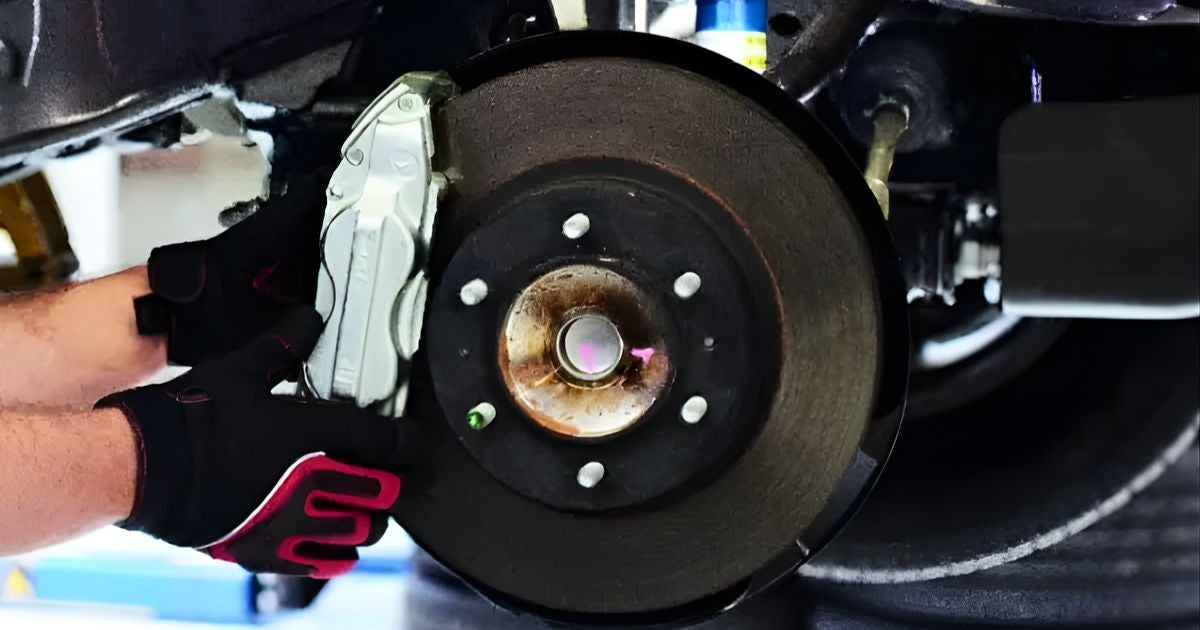
- A grinding sound when braking in your Toyota is a major safety warning that metal parts are rubbing together and need immediate attention from experts.
- Major issues include worn out brake pads, a warped disc brake rotor, and calipers sticking on brakes that lower your stopping power and lead to expensive repairs.
- If you hear a grinding sound when braking at low speeds in San Diego CA, visit Dalton Toyota National City today to keep your vehicle safe.
Also Read: Toyota Dashboard Symbols and Their Meanings
If you are driving around the busy roads in San Diego CA, you depend on your car to stop quickly and safely. A grinding sound when braking is a signal that something is very wrong under your wheels because healthy Toyota brakes are usually quiet and smooth.
When a car makes a grinding sound when braking, it often means that the protective material on the pads is gone. This leads to metal parts rubbing against each other. Don’t ignore this noise. Find out what causes these grinding noises in your Toyota and why you should have it fixed at Dalton Toyota National City now.
What That Grinding Noise In Your Toyota Means: 7 Reasons
When you press the pedal, a system of parts works together to slow your wheels. If a car makes a grinding sound when braking, the friction material is likely missing. You might hear a grinding sound when braking at low speeds as you pull into a parking spot or a driveway, a sound that is often harsh and metallic.
These instances can happen because of simple wear or because of a mechanical failure. And, in the San Diego CAarea, salt in the air and moisture can also play a role in how your brakes sound and feel. Regardless, here are some common causes why you can hear that grinding noise when braking in your Toyota.
1. Worn Out Brake Pads Are the Top Culprit
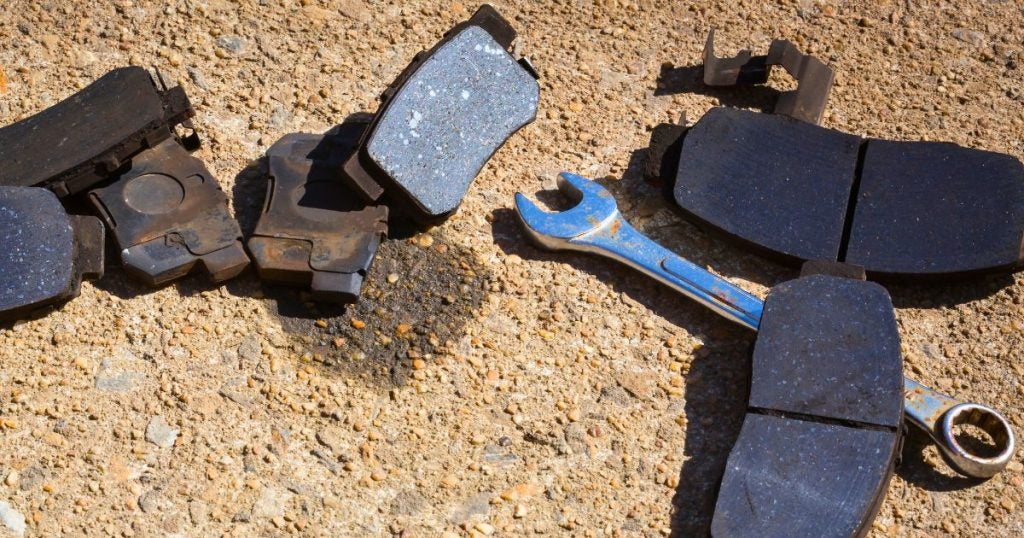
The most common reason for a grinding sound when braking at low speeds is worn out brake pads. Brake pads have a thick layer of special material that grips a metal disc (rotor) behind your wheel, slowing your car down. Over time, this material becomes increasingly thinner.
Hence, when your brake pads wear down, the metal backing of the pad touches the rotor. This metal-on-metal contact is what causes the grinding noise as you brake. But, you should look for worn out brake pads symptoms long before the grinding starts.
Signs of worn out brake pads include:
- Squealing sound
- Grinding noise
- Longer stopping distances (slow response when you try to stop)
- Brake pedal feels different when pressing on it (if you push the pedal further down than usual, pads might be too thin)
- Vibrating steering wheel
- Car pulls to one side
- Dark dust on your wheels
Worst-case scenario, you’ll lose most of your stopping power. Thus, driving with a brake pads worn out situation is dangerous for you and everyone on the road.
2. Squealers and Early Warnings
Toyota designs their parts to warn you before things get dangerous. Many pads have squealers on brake pads, which are small metal tabs. When the pads get low, these squealers on brake pads touch the rotor and make a high-pitched squeal. This is the first of many signs of worn out brake pads. If you ignore it, the squeal will turn into a loud grind. Once the brake pads worn out, the damage to your car increases every time you stop.
3. Warped Brake Rotors Create Problems Too
Sometimes the grinding isn't from the pads at all. A warped brake rotor can also cause strange noises and vibrations. The rotor is the large metal disc that spins with your wheel. If this disc is not perfectly flat, you have a warped disc brake rotor, which can develop high and low spots on the surface.
What causes brake rotors to warp? Heat is usually the main factor, brought about by heavy or hard braking for long periods. Hard braking creates a lot of heat. If you continue driving while the rotors are still hot or drive through deep water after a long trip, the quick temperature change can cause the metal to change its shape, hence the warping.
Sometimes, rotors just wear unevenly over time. No matter the reason, a warped brake rotor causes a lot of trouble. Warped brake rotor symptoms include:
- Pulsing feeling in the brake pedal
- Steering wheel vibrations as you brake
- Grinding noise
If you try to fix warped brake rotors by just changing the pads, the problem will stay. You need a professional warped brake rotor repair to ensure the surface is flat again, using special tools to make the rotor smooth again. But if the warped disc brake rotor is too thin, the only way to fix it is to install new ones.
4. Issues With Sticking Calipers
Brake caliper sticking is another source of grinding noises. The brake caliper is like a clamp that squeezes the brake pads against the rotor when you press the pedal. Inside the caliper, some pistons push the pads. When everything works right, these pistons release when you take your foot off the brake.
But, if you have a brake caliper sticking, it creates massive heat and can lead to a grinding sound when braking at low speeds. Common sticking brake caliper symptoms include:
- Smell of burning rubber
- Hot wheel
- Car pulling hard to one side, even when you’re not braking
These sticking brake caliper symptoms mean the parts are seized. Rust or old grease often causes calipers sticking on brakes and can lead to reduced fuel economy.
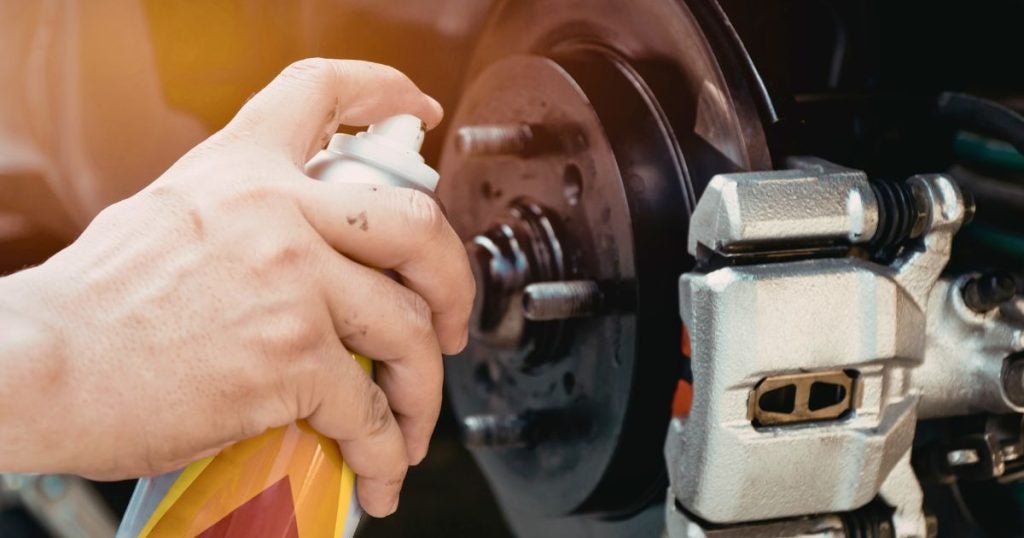
You should never drive if you suspect calipers sticking on brakes.A brake caliper sticking fix is necessary to prevent a fire or a total brake failure. A mechanic will check the slide pins and the rubber seals, part of which often involves cleaning the hardware and adding new lubricant.
But learning how to repair sticking brake caliper issues is a job for experts. A professional will start by testing the hydraulic piston inside the unit. If they find the parts are too rusty, they will recommend fixing the damage with a full replacement.
5. Environmental Factors and Contamination
Contaminated brake pads happen when oil, grease, or road grime gets on the friction surface. Your brakes might feel slick or make odd noises. In some cases, contaminated brake pads can happen if a seal leaks fluid onto the parts. Debris like small rocks or sand can also cause a grinding sound when braking. If a pebble gets stuck between the pad and the rotor, it will scream and grind, common near construction areas or beaches in San Diego CA.
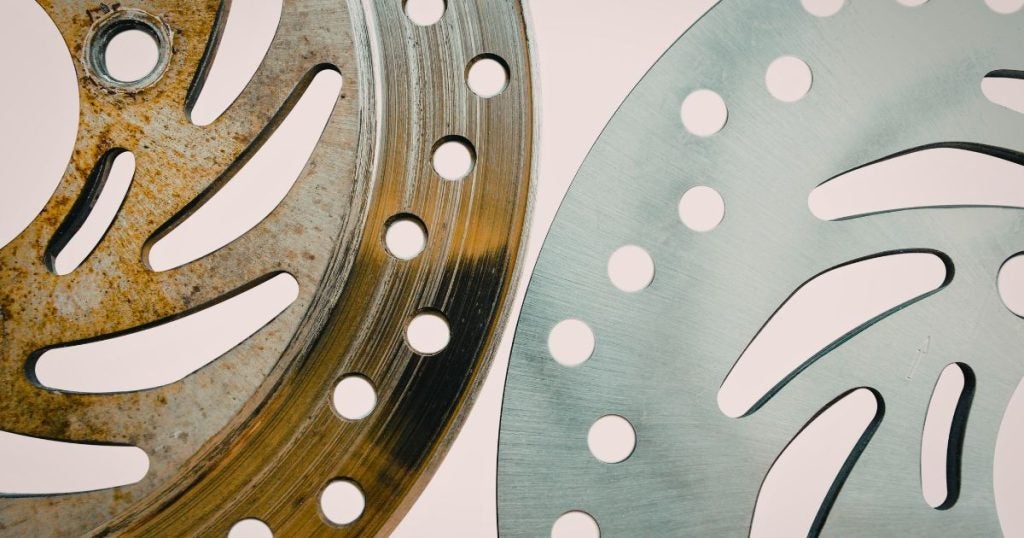
Surface rust is another cause. If your Toyota sits outside in the damp air, a thin layer of rust forms on the rotors. You might hear a brief grinding sound when braking the first few times you drive in the morning. This noise is normal and goes away as the pads clean the metal.
However, contaminated pads usually need replacing because cleaning them rarely solves the problem completely.
6. Electronic Safety Systems and Wheel Bearings
Your Toyota uses active stability and traction control to keep you safe. When the wheels slip on a wet road, the computer might pump the brakes very fast, which can feel and sound like a grinding sound when braking. This is normal and shows that your car is working to help you.
However, you must differentiate this from a mechanical failure. A failing wheel bearing noise is often a deep hum or growl that changes with your speed, and might get louder when you turn the wheel. Like a wheel that cannot spin freely because the internal balls are crushed.
Knowing what happens when a wheel bearing fails is vital for safety. Ignoring it would cause the wheel to eventually lock up or even come off the car. Thus, you should always check a failing wheel bearing noise immediately.
7. Model Specific Noises for Corolla and Camry
Sedans are popular in San Diego. A Toyota Corolla grinding noise when braking might be because of a bent dust shield. This thin metal plate can rub the rotor, causing sounds like a constant scrape. A technician from Dalton Toyota National City can quickly fix this.
The same applies to the Camry. A Toyota Camry grinding noise when braking is often linked to the wear indicators. Because these cars are incredibly quiet, any grinding noise when braking is easy to hear. Check your pad thickness right away should you hear it.
Why You Should Act Fast
When you hear a grinding sound when braking, time matters. Driving with worn out brake pads or other brake problems makes the damage worse every time you press the pedal. What starts as a simple pad replacement can turn into rotor replacement, caliper work, and even damage to other parts.
The longer you wait, the more expensive the repair becomes. More importantly, damaged brakes put you and your family at risk every time you drive.
Thankfully, you can visit Dalton Toyota National City to have your Toyota fixed right when these brake problems show. Apart from expert brake service by trained technicians, they have the right tools, genuine Toyota parts, and experience to find the exact cause of your noise and fix it.
If you’re in a pinch, they also offer FasTrack Express Service that includes a brake inspection in about 30 minutes. While your car is in the shop, you can look at the new Dalton Toyota National City cars in the showroom. Their expert team helps drivers from all over the county choose from their massive inventory for every budget.
Your Toyota Deserves Better Than Grinding Brakes
A grinding sound when braking is never normal and always needs professional attention. Whether it's brake pads worn out, a warped brake rotor, or brake caliper sticking, these problems won't fix themselves.
Maintaining your brakes is much like changing the soles on your favorite pair of running shoes. If you replace the soles before they wear through, the shoes stay comfortable and protect your feet. If you wait until you are walking on the bare pavement, you will eventually hurt your feet and ruin the shoes completely.
Don’t wait until your brakes fail. Listen to what your car is telling you and get that grinding sound checked out today. Schedule a service appointment at Dalton Toyota National City today!Read Next: Common Transmission Issues Drivers Should Watch For


